Guide to Ship Engines: Parts, Types, and Maintenance
Feb 6, 2026
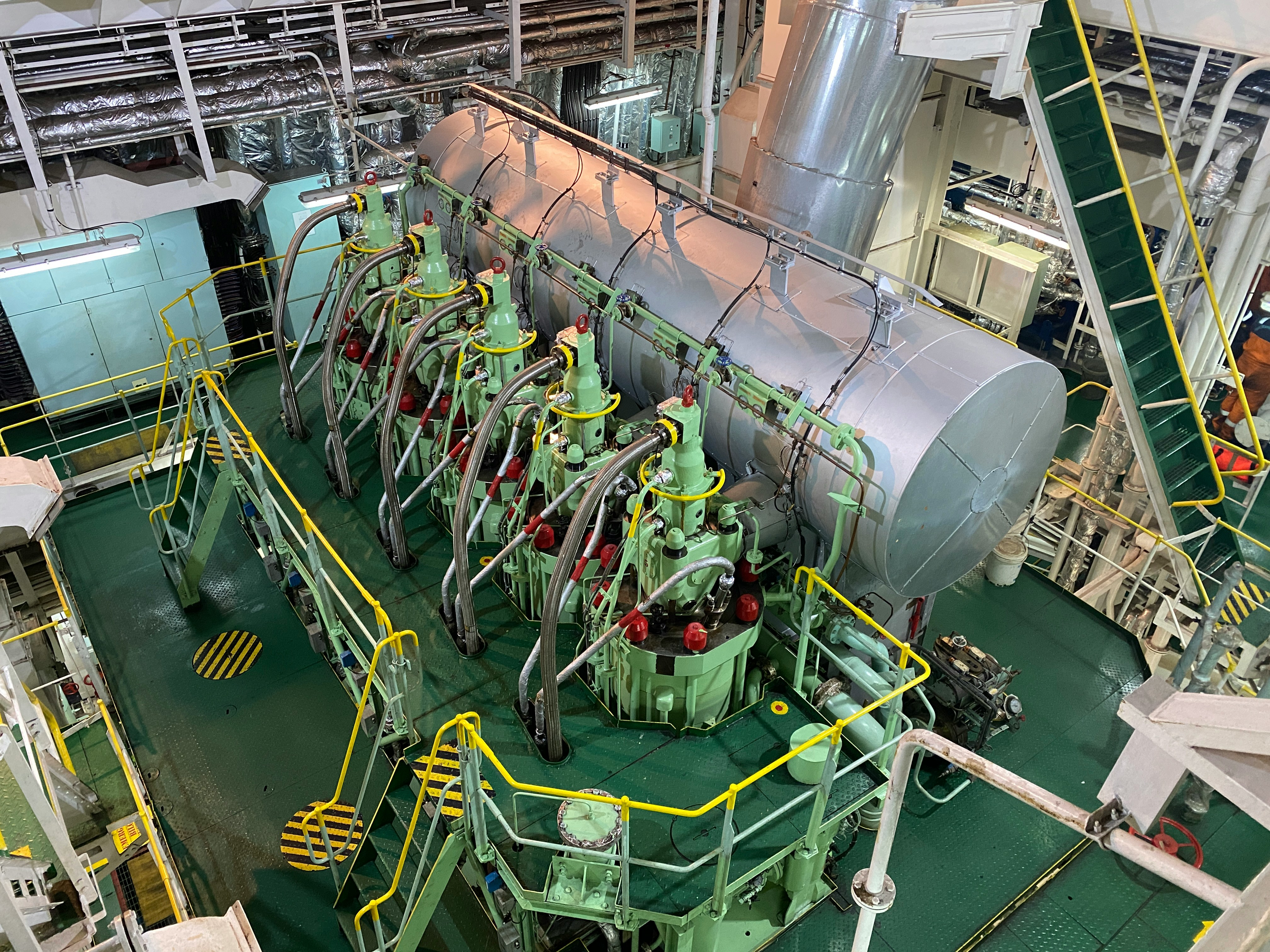
Ship engines serve as the fundamental element that supports the entire marine vessel industry that operates worldwide. The complete marine industry needs dependable and effective propulsion systems that power all its operations, from cargo carriers to offshore support vessels, service fleets and patrol ships. Ship engines function under extreme conditions because their design requires continuous operation at maximum capacity while facing saltwater, humidity, vibration and extended running times.
Knowledge of ship engine operations, including their essential parts and maintenance procedures, needs to be acquired by all people working in marine engineering, vessel operations, and maritime services.
What Is a Ship Engine?
The ship engine functions as the main power source, which propels the vessel through water. The system operates by transforming fuel energy into mechanical power, which drives the propulsion system components, including propellers, shaft lines and pod drives.
The engine room serves as the standard location for ship engines, from which technicians operate from their position below deck at the back section of the ship. Marine engines operate continuously for extended periods because their design requirements differ from those of automotive and industrial engines. The systems need to endure both corrosive conditions and changing operational demands while meeting all required safety and performance standards.
In commercial shipping and marine services, the ship engine is not only responsible for propulsion but also for supplying power to essential onboard systems, including navigation equipment, pumps, compressors, lighting, and control systems.
Main Parts of a Ship Engine
A ship engine is composed of multiple integrated systems that operate different mechanical functions and operational capabilities. The system components work together to transform fuel into propulsion power while maintaining safe operation, efficient performance and continuous operation in maritime conditions.
Component | Function |
Cylinder Block | Main engine structure that houses the cylinders where combustion occurs. |
Pistons | Convert combustion pressure into mechanical motion. |
Crankshaft | Transforms piston motion into rotational energy for propulsion. |
Camshaft | Controls valve timing for fuel intake and exhaust release. |
Fuel Injection System | Delivers controlled fuel into the combustion chamber. |
Turbocharger | Increases air intake to improve engine power and efficiency. |
Cooling System | Regulates temperature using freshwater and seawater circuits. |
Lubrication System | Reduces friction and protects moving parts. |
Exhaust System | Removes combustion gases from the engine. |
Control & Monitoring Systems | Track performance data such as temperature and pressure. |
Types of Ship Engines Used in Modern Vessels
Marine Diesel Engines
Marine diesel engines are the most widely used engines in the commercial marine vessel industry. They power cargo ships, tankers, offshore vessels, tugboats, and service fleets. Diesel engines are favored for their high torque, fuel efficiency, durability, and ability to operate continuously under heavy loads.
Marine diesel engines range from medium-speed engines used in support vessels to massive low-speed two-stroke engines found in large container ships.
Gas Turbine Engines
Gas turbine engines are used in high-speed vessels and some naval ships. They produce a large amount of power relative to their size and weight, making them suitable for fast-moving marine applications. However, they consume more fuel than diesel engines and are typically more expensive to operate.
Electric and Hybrid Marine Engines
Electric and hybrid propulsion systems are becoming increasingly common in modern fleets. These systems combine traditional engines with electric motors and energy storage systems.
Electric and Hybrid Marine Engines are used to reduce fuel consumption, lower emissions, and improve maneuverability, especially in ports and coastal operations.
Steam Engines
Steam engines are now mostly limited to historical or specialized vessels. While they played a major role in early maritime development, they have been replaced by more efficient and compact engine technologies.
How a Ship Engine Works
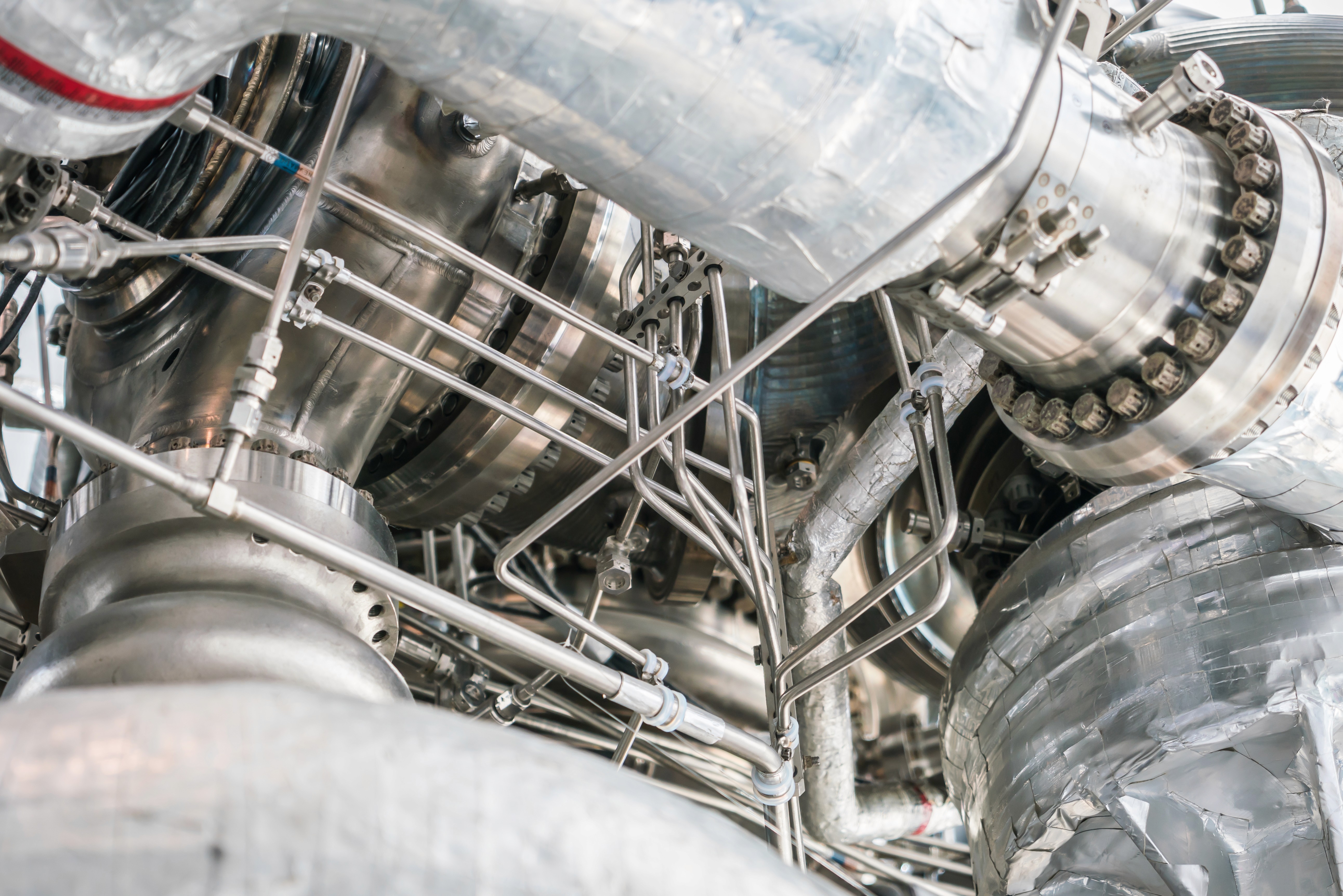
A ship engine operates by converting fuel energy into mechanical power through controlled combustion.
The fuel is then supplied to the combustion chamber, where it mixes with compressed air. In diesel engines, the mixture is ignited because of the high pressure and heat. The explosion then moves the piston downward in a linear motion.
This combustion chamber movement is transferred to the crankshaft, where it is converted to rotational energy. This rotational energy powers the propulsion unit, causing the propeller to rotate and thus moving the vessel through the water.
At the same time, auxiliary systems support the engine’s operation. Cooling systems prevent overheating, lubrication systems minimize wear, and electrical generators supply power to onboard equipment.
Large vessels often operate multiple engines simultaneously to balance power demands and ensure redundancy during maintenance or unexpected failures.
Ship Engines in the Marine Vessel Industry
Reliability is a key concern in the design of ship engines in the marine vessel industry. For offshore support vessels, engines are designed to withstand the dynamic loads associated with positioning and heavy lifts. On the other hand, supply ships require engines that enable long-distance movements with minimal downtimes.
For all of these applications, the performance of the engine directly influences its operational costs, safety, and even availability. A properly serviced engine cuts down on fuel consumption, extends its lifespan, and ensures against unexpected outages at sea.
Common Ship Engine Problems and Failures
One of the usual problems encountered in a ship engine is overheating, which is usually a consequence of a malfunctioning cooling system and/or clogged heat exchangers. Contaminated fuel causes injector damage, leading to inefficient combustion. Lubrication problems cause excessive friction, leading to component wear.
Damage to the turbos is usually caused by a lack of lubricating oil and the presence of foreign matter in the system. Corrosion is still a major problem, particularly in the exhaust system and the seawater cooling system.
Modern ships are also vulnerable to breakdowns in their electronic equipment, including sensors and control systems, which can have an adverse impact on engine functioning despite the mechanical condition of the engines being sound.
Ship Engines in Modern Marine Engineering
Ship engines today are no longer isolated mechanical systems. They are integrated into digital platforms that enable predictive maintenance and real-time performance optimization.
Advanced monitoring systems allow engineers to track engine behavior remotely and schedule maintenance based on actual operating conditions rather than fixed intervals. Emission regulations have also pushed manufacturers toward cleaner combustion technologies and alternative fuels.
In this environment, marine engineering companies like Automech Group play an important role by supporting engine fabrication, structural integration, and maintenance solutions that align with modern operational standards.