Offshore Oil Rig: What Is It and How It Operates
Jan 16, 2026
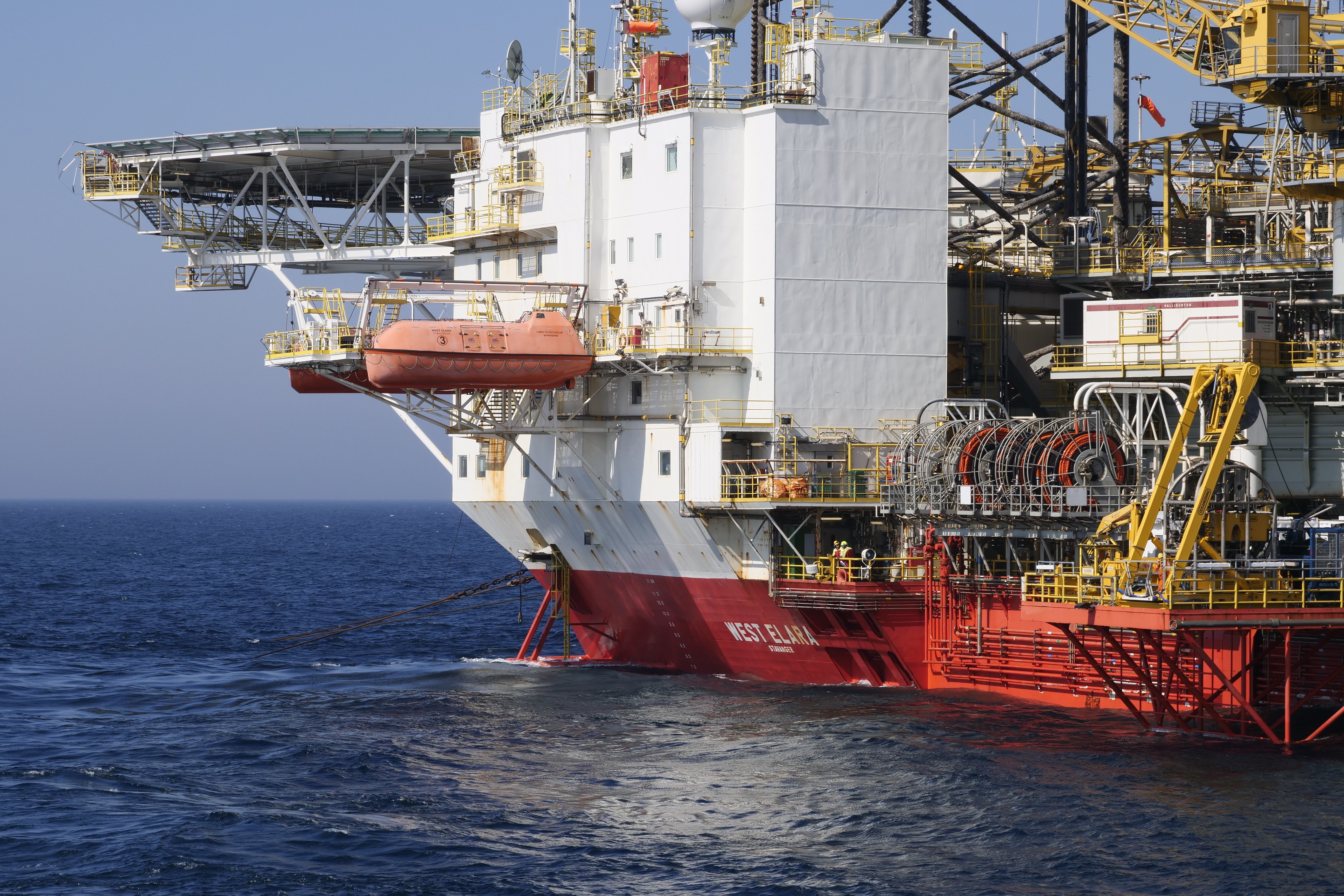
Offshore oil rigs represent the biggest and most advanced industrial facilities that humans have constructed to operate in ocean waters. The installations enable energy companies to extract oil and gas reserves that exist deep beneath the ocean bed because they were engineered to endure severe weather conditions, deep-sea pressure and continuous operational stress.
As early as 2015, offshore fields already accounted for nearly 30% of global crude oil production, establishing offshore drilling as a core pillar of the world’s energy infrastructure. Since then, offshore development has continued to expand. In 2024 alone, more than 8 billion barrels of oil equivalent (bboe) were announced in new offshore discoveries, with nearly 4 bboe sanctioned for development and around 6.5 bboe entering production as new offshore projects came online.
The growth trend shows itself through investment activities because 85% of newly discovered reserves by volume were found in ten offshore fields, and all major Final Investment Decisions (FIDs) approved in 2024 were offshore projects.
What Is an Offshore Oil Rig?
An offshore oil rig is a specialized marine structure designed to drill exploratory and production wells in offshore environments. Its main purpose involves using its equipment to make a controlled entrance that leads to access to underground hydrocarbon reserves.
Modern offshore rigs can operate in water depths that extend to their capacity for drilling wells that reach below the ocean floor. The system achieves its capabilities through the use of dynamic positioning systems combined with advanced riser technologies and real-time pressure control mechanisms.
More than 1,000 offshore rigs and platforms operate worldwide, which include both small jack-up units designed for shallow waters and ultra-deepwater drillships that require millions of dollars to construct. Oil rigs serve as temporary exploration and initial drilling facilities because they operate differently from permanent platforms, which remain fixed at their locations.
Oil Rig vs Oil Platform: What’s the Difference?
Feature | Oil Rig | Oil Platform |
Primary role | Drilling and exploration | Long-term production |
Mobility | Mobile | Fixed or semi-fixed |
Operational period | Months to a few years | 20–40+ years |
Structural design | Transportable | Permanent industrial structure |
Typical use | Creating new wells | Processing and exporting oil |
Main Types of Offshore Oil Rigs
Jack-Up Rigs
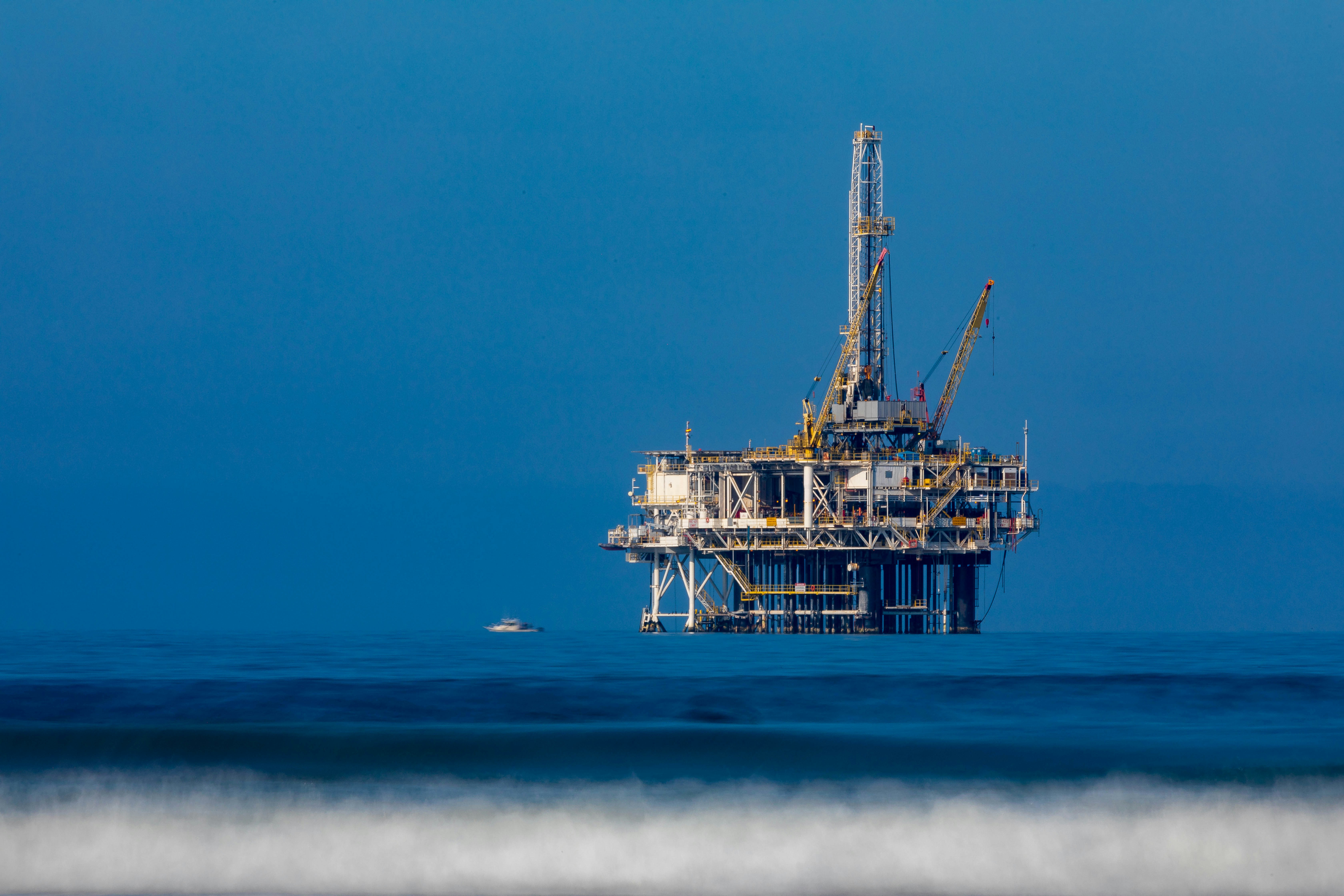
Jack-up rigs function as mobile drilling units that use long steel legs to establish their underwater drilling positions. The hull ascends above the water level ,which creates a secure base for conducting drilling activities.
Jack-Up rigs are primarily used in shallow waters, typically up to 150 meters (500 feet), and are widely deployed in regions such as Southeast Asia, the Middle East, and the North Sea.
Semi-Submersible Rigs
Semi-submersible rigs are partially submerged structures supported by underwater pontoons. They achieve stability through ballast control and mooring systems, allowing them to operate in deeper waters while maintaining resistance to wave motion and strong currents.
Drillships
Drillships are ships that can carry out all the functions of a drilling installation, including some combination of drilling equipment, workover equipment and support equipment, as well as the necessary power generation and other machinery. Drill ships don't use mooring lines to anchors as other rigs do; rather, computer-controlled thrusters keep them in an accurate position over the well.
Drillships are expensive, ultra-high-tech rigs operated in ultra-deepwater.
Submersible Rigs
Submersible rigs are designed to float during transportation and then partially sink onto the seabed during operations. They are mainly used in calm, shallow waters and are less common today due to the dominance of jack-up and semi-submersible designs.
How Offshore Oil Rigs Operate
The operation of an offshore oil rig follows a continuous engineering workflow rather than isolated steps. It begins with geological surveys using seismic imaging, where sound waves are transmitted into the seabed and analyzed to identify hydrocarbon-bearing formations.
Once an intended reservoir has been located, the rig is placed directly over the drill site, and drilling ensues. A drill string with a rotating bit is advanced into the seabed, while drilling mud is circulated through the system to cool tools, stabilize the well path or direction, and balance pressures. This is being monitored in real-time data systems for torque, pressure, temperature and formation parameters.
As drilling progresses, steel casing is inserted into the well and cemented in place to prevent collapse and isolate pressure zones. A blowout preventer (BOP) installed at the seabed acts as a critical safety system, capable of sealing the well in case of sudden pressure surges.
The testing and evaluation process starts after hydrocarbons are found in the well. The production phase begins when wells become operational because they start to extract and treat oil and gas before delivering the resources to permanent facilities or FPSO systems.
Different Uses of Offshore Oil Rigs in Industry
Offshore oil rigs exist to extract far more than just crude oil. Within the broader oil and gas industry, these platforms support a wide range of offshore and subsea operations that contribute to global energy supply, often referred to collectively as axial energy systems, the core infrastructure that keeps industrial economies powered.
Natural gas production, particularly in deepwater and ultra-deepwater fields, where subsea wells are tied back to floating production systems.
Carbon capture and storage (CCS) projects, where offshore wells are used to inject and permanently store captured CO₂ in depleted reservoirs.
Geothermal and subsurface research, using offshore drilling technologies to study high-pressure geological formations.
Subsea infrastructure development, including the installation of wellheads, control systems, and seabed monitoring equipment.
Offshore Oil Rigs in Modern Engineering
Once an intended reservoir has been located, the rig is placed directly over the drill site, and drilling ensues. A drill string having a turning drill bit is advanced into the seabed, while drilling mud is circulated in the system to cool tools, stabilize the well path or direction and balance pressures. This is being monitored in real-time data systems for torque, pressure, temperature and formation parameters.
From dynamic positioning algorithms to corrosion-resistant steel structures and AI-assisted monitoring systems, offshore rigs continuously push the limits of what industrial engineering can achieve. The lessons learned from offshore operations now influence shipbuilding, offshore wind farms, subsea robotics, and even space-grade structural design.
Automech Group operates in advanced industrial engineering through its work while using the same technical framework that supports offshore development to meet its operational needs.