Duplex Stainless Steel: Practical Guide to Fabrication and Uses
Jan 2, 2026
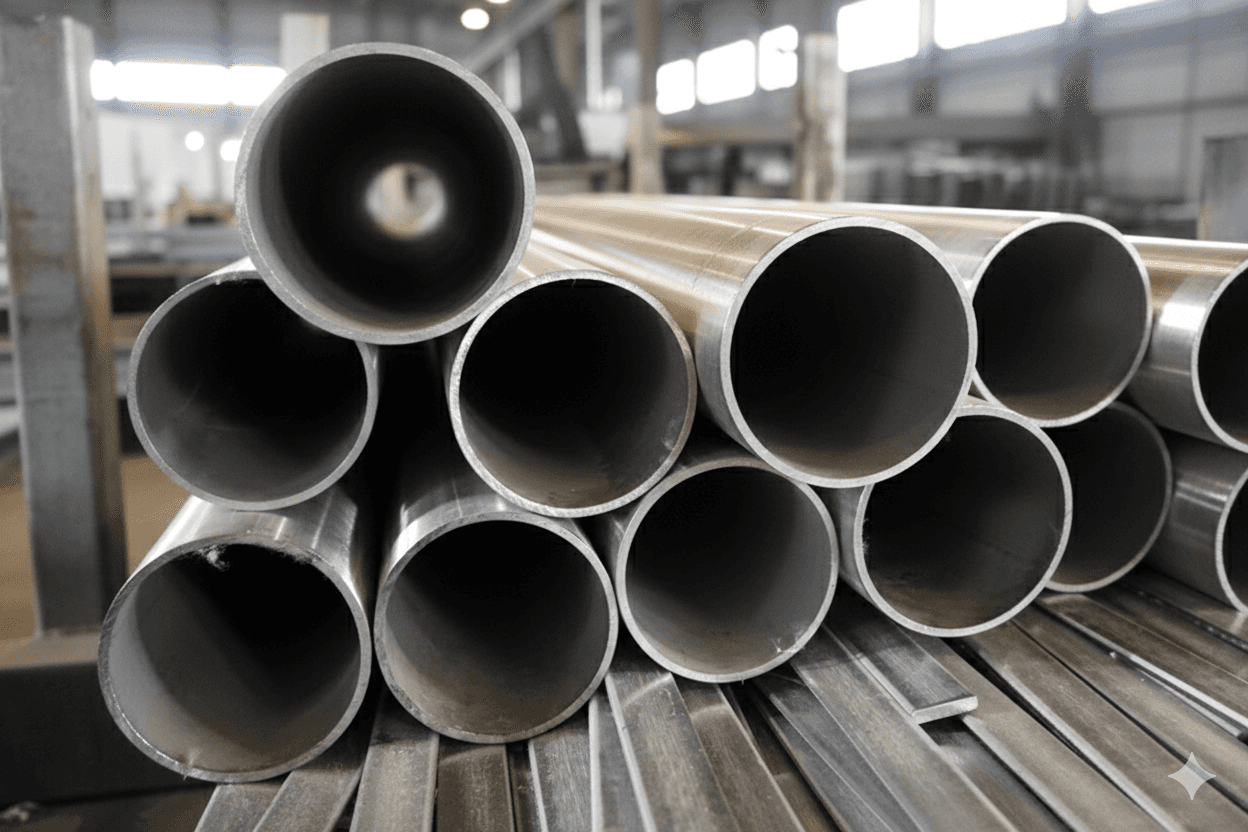
Duplex stainless steel is becoming more popular in heavy industrial welding work because it provides twice the strength of regular stainless steel grades, which include 304 and 316 while preserving high protection against corrosion in extreme environmental conditions. The steel and metal industry uses this material for offshore structures and pressure systems, and load-bearing frameworks, which require protection against material failures that could result in expensive downtime and safety hazards.
Duplex stainless steel enables Automech Group and similar engineering and fabrication companies to create durable solutions that meet precise specifications for various industries, including oil and gas, construction, and marine services.
That said, duplex stainless steel provides a unique strength and corrosion resistance combination which makes it ideal for steel fabrication projects that require both operational excellence and cost efficiency throughout their entire lifespan.
What Is Duplex Stainless Steel?
Duplex stainless steel is a type of stainless steel alloy with a mixed microstructure of austenite and ferrite. The material receives its name “dual” because it contains two different phases which provide it with properties from both metallic families. Duplex stainless steel exhibits superior strength compared to regular stainless steel, while its corrosion resistance and cracking resistance remain exceptional.
Duplex stainless steel proves particularly valuable for industrial applications because it functions effectively in structural components and piping systems, pressure equipment, and fabricated assemblies that need to endure extreme mechanical stress and temperature changes.
How Duplex Stainless Steel Works
The properties of duplex stainless steel are achieved with an overall lower alloy content than similar-performing super-austenitic grades, making their use cost-effective for many applications. Compared to single-phase stainless steel materials, duplex alloys offer better performance assurances because their designers engineered them to resist continual strain, chemical exposure and environmental fluctuations.
In practical terms, duplex stainless steel works because of the following material characteristics:
Dual-phase microstructure: The material contains a near-equal balance of ferritic and austenitic phases which enables it to combine the strength properties of ferritic steels with the corrosion protection capabilities of austenitic steels.
Optimised alloy composition: The addition of chromium, nickel, molybdenum and nitrogen to the material serves as an enhancement that protects against pitting and crevice corrosion and chemical attacks.
Improved stress resistance: The balanced structure reduces the risk of stress corrosion cracking, especially in chloride-rich or high-moisture environments.
Structural stability under load: Duplex stainless steel maintains mechanical integrity under high pressure and cyclic loading, making it suitable for heavy fabrication and engineered systems.
Main Grades of Duplex Stainless Steel
Duplex stainless steel has multiple grades that provide various performance capabilities to meet different industrial and manufacturing needs. The most commonly specified grades are standard duplex for general structural use and super duplex for extreme operating environments.
Grade | Typical Composition | Key Characteristics |
Duplex 2205 (UNS S31803 / S32205) | ~22% Chromium, ~5% Nickel, with molybdenum and nitrogen | High strength, excellent corrosion resistance, good weldability |
Super Duplex 2507 / UR52N+ | Higher chromium, molybdenum, and nitrogen content | Superior resistance to pitting, crevice corrosion, and chemical attack |
Key Properties of Duplex Stainless Steel
Duplex stainless steel maintains its industrial value because it possesses both mechanical and chemical characteristics which enable its use in industrial applications for extended periods.
High Strength
Duplex stainless steel typically provides almost double the yield strength of 304 and 316 stainless steels. This enables engineers to create lighter structures that maintain their safety and load capacity requirements.
Excellent Corrosion Resistance
Its high chromium and molybdenum content protects against pitting, crevice corrosion, and chloride-induced damage, particularly in marine and chemical environments.
Good Toughness and Ductility
The dual-phase structure enables the material to absorb stress without fracturing, which is critical in heavy-duty fabrication and dynamic load conditions.
Cost Stability
Lower nickel content reduces price volatility, making duplex stainless steel more predictable for large-scale steel fabrication and building contracting services.
Duplex Stainless Steel vs 316 Stainless Steel
The main distinction between duplex stainless steel and 316 stainless steel lies in their mechanical strength properties. Duplex stainless steel shows approximately double the strength of 316 stainless steel, which enables thinner sections to reach equivalent performance standards.
Duplex grade offers improved corrosion resistance to 316 stainless steel in chloride service such as offshore production, water treatment plants, and marine construction. 316 stainless steel is easier to machine, which means it's used for less intense applications that requires light duty use or decorative parts.
Duplex stainless steel provides the most dependable option for extended use in structural engineering, heavy fabrication and marine infrastructure projects.
Fabrication Considerations in the Steel and Metal Industry
In the steel and metal industry, specialists must use special methods to handle duplex stainless steel. The material's high-strength properties demand special machining methods which require slower cutting speeds and more durable equipment than standard stainless steel.
Welding requires standard industrial methods for complete execution, but operators must control heat input to achieve the required phase balance. Automech Group uses its precision engineering and fabrication methods to select appropriate filler materials and execute controlled welding processes while performing post-fabrication inspection to ensure material integrity.
Different Uses of Duplex Stainless Steel in Industry

Construction
Building contracting services use duplex stainless steel for all their structural frames, support beams and load-bearing assemblies. Engineers can create slimmer designs for components because the material provides high strength which enables them to fulfil safety requirements and regulatory standards.
Automech Group uses duplex stainless steel for its precise construction systems which maintain their structural integrity under conditions of high moisture and corrosive environments.
Oil and Gas
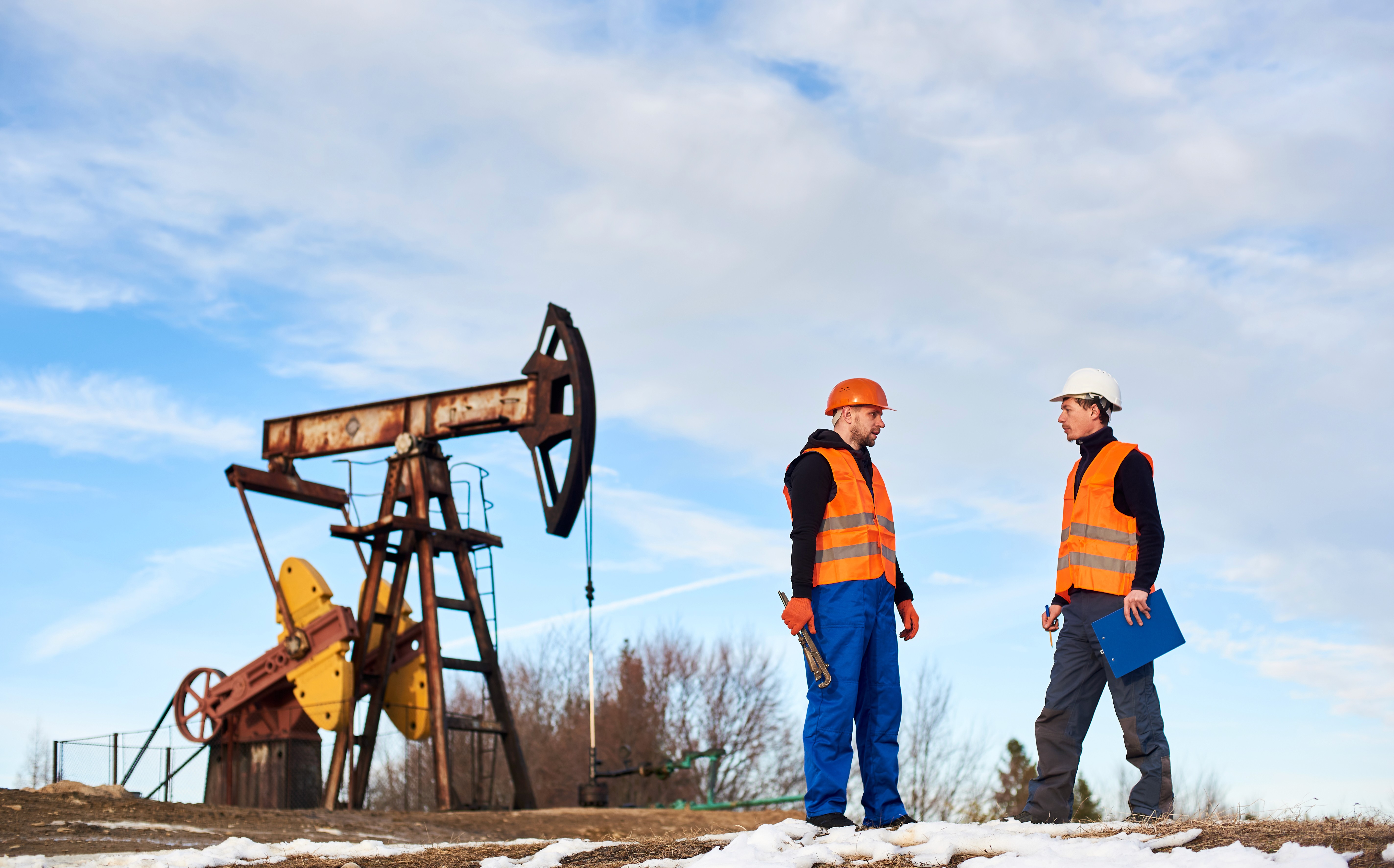
In oil and gas operations, duplex stainless steel is used for pipelines, pressure vessels, separators, and offshore platforms. These systems are exposed to extreme temperatures, corrosive fluids, and continuous mechanical stress.
Marine
Marine environments expose materials to constant saltwater corrosion, making duplex stainless steel an ideal choice for hull components, propulsion systems, and offshore structures.
Automech Group’s marine services incorporate duplex materials into engineered systems that improve durability, reduce maintenance cycles, and extend operational lifespan.
Energy
In the energy sector, duplex stainless steel is applied in gas turbines, heat exchangers, and structural support systems. Its resistance to thermal stress and chemical exposure ensures consistent performance under continuous operating conditions.
Heavy Transportation
For heavy transportation infrastructure, duplex stainless steel is used in frames, load platforms, and mechanical supports that carry high dynamic loads.
Duplex Stainless Steel in Modern Engineering
Modern engineering increasingly demands materials that deliver both performance and sustainability. Duplex stainless steel enables engineers to design stronger structures with less material, improving efficiency across construction, marine, and energy systems.
For Automech Group, duplex stainless steel supports the development of industry-leading fabrication solutions that align with long-term operational reliability and environmental responsibility.