What Are Composite Materials? Examples and Applications
Dec 19, 2025
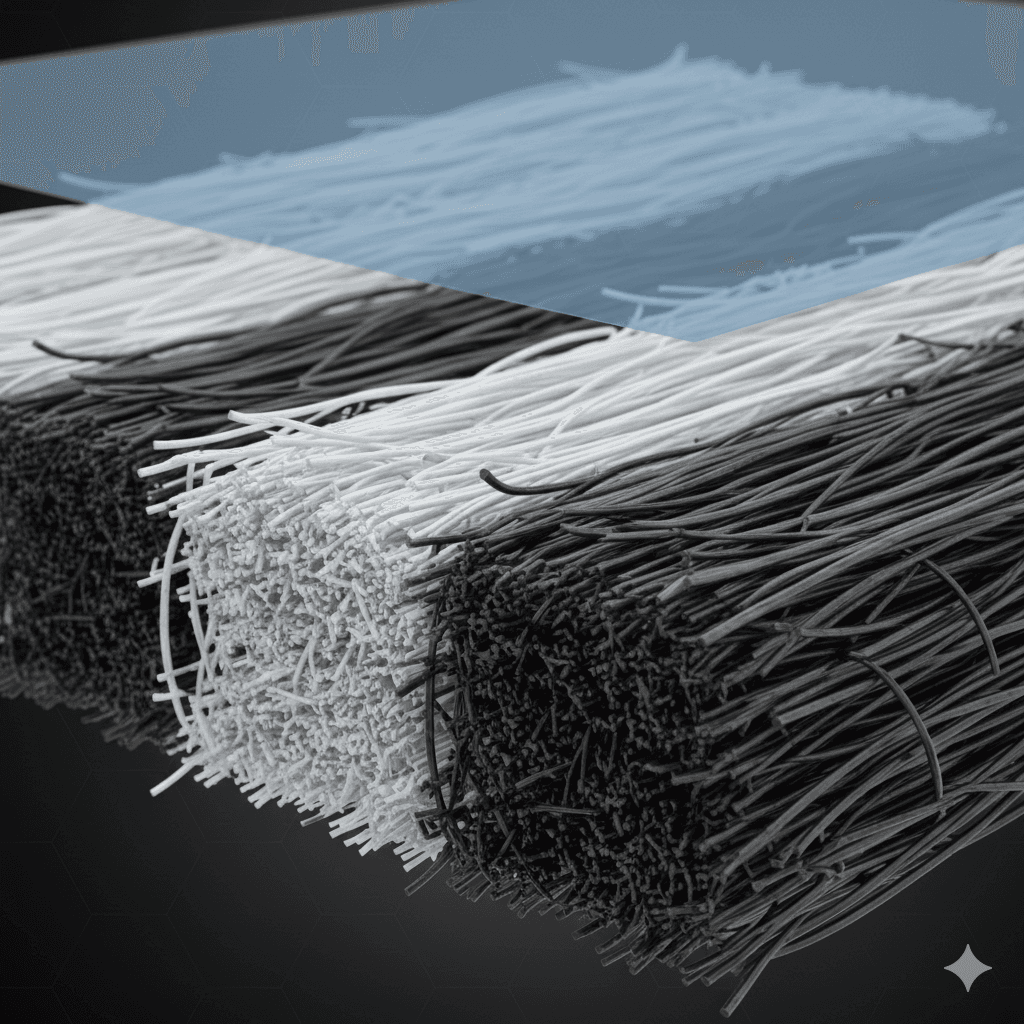
As industries continue to develop and grow, composite materials are increasingly being used in industrial projects where traditional materials like steel or aluminium alone are insufficient. The construction industry, the energy sector, marine engineering and heavy transportation use composites to improve material strength while achieving durability and protection against corrosion.
Scientists and other related professionals combine two or more materials to create a composite which develops new material properties. Engineers use composites in complex engineering and manufacturing applications because the materials provide optimal structural strength, durability and environmental protection at reduced weight without needing to choose one material.
By understanding composite materials together with their primary categories and their industrial uses, organisations gain the ability to make material selection decisions for essential systems and infrastructure needs.
How Composite Materials Work
The structure of composite materials consists of a binding material, which acts as the matrix and a reinforcing material that handles the primary structural responsibilities. The engineers created this design to enable them to regulate material performance during stress, temperature, and environmental exposure testing.
The matrix material usually exists as either a polymer, a metal, or a ceramic, while the reinforcement consists of various materials that include carbon fibres, glass fibers and ceramic particles. The matrix system transmits applied force to its reinforcement components, which results in a material that exhibits greater strength and durability while being lighter than standard solid materials.
A practical example is reinforced concrete, where cement holds the structure together while steel bars absorb tensile forces. This same principle is used in advanced industrial composites, just with more specialised materials and engineering control.
Different Types of Composite Materials
Type | Matrix Material | Reinforcement | Typical Use |
PMC | Polymer | Glass or carbon fibres | Marine, construction |
MMC | Metal | Ceramic fibres or particles | Aerospace, machinery |
CMC | Ceramic | Ceramic fibres | High-temperature systems |
Structural | Mixed | Layered cores | Panels and platforms |
Polymer Matrix Composites (PMC)
The most common composite material used today throughout the world consists of polymer matrix composites. The manufacturing process uses a plastic-based matrix, which combines with glass and carbon fibres to produce materials like fibreglass and carbon fibre reinforced polymers.
The lightweight and corrosion-resistant properties of these composites, together with their easy-to-shape capabilities, make them suitable for use in marine structures and architectural components and industrial equipment. The manufacturing process uses PMCs as a standard material because their lightweight properties and ability to withstand environmental conditions make them essential for specific applications.
Metal Matrix Composites (MMC)
Metal matrix composites use metals such as aluminium as the base material, reinforced with ceramic fibres or particles, particularly popular in the metal industry. The combination of these materials provides substantial improvements to the strength, wear resistance and thermal stability properties of the material.
MMCs serve as materials for high-performance applications that exist in precision engineering, aerospace components and heavy machinery because these sectors require multiple mechanical strength and heat resistance properties. The material supports industrial operations that need to function at maximum efficiency during extremely challenging situations.
Ceramic Matrix Composites (CMC)
The development of ceramic matrix composites targets applications that require materials that can withstand extreme thermal conditions and chemical contact. The materials used in this composite design include ceramic components for both its matrix and reinforcement, which provide exceptional resistance to heat.
These composites find their primary application in energy systems, aerospace projects, and advanced industrial equipment, which face thermal stress challenges that conventional metals cannot withstand.
Structural Composites
Structural composites combine multiple layers of different materials, often using sandwich panels with lightweight cores. These composites are designed to carry heavy loads while remaining lightweight.
Structural composites are widely used in construction, architecture, and industrial platforms, providing strong structural support with minimal material weight.
Typical Examples of Composite Materials

Some of the most widely used composite materials include reinforced concrete, fibreglass, carbon fibre, plywood, Kevlar, and asphalt, all of which are found in industrial and infrastructure projects.
Reinforced concrete serves the construction of buildings, bridges, and foundations because it supports both compressive and tensile loads. Fibreglass serves industrial panels because it resists corrosion and requires minimal maintenance. Carbon fibre serves high-performance structures that need the strongest materials possible but with the lightest weight.
Plywood combines multiple wood layers for improved stability in construction and interiors. Kevlar is used in protective systems and impact-resistant equipment, while asphalt is a composite of aggregates and bitumen used in road and industrial surface construction.
Key Properties of Composite Materials
Composite materials are engineered to deliver performance advantages that traditional materials cannot always provide. These properties make composites attractive for demanding industrial environments.
Strength-to-weight ratio
Composites offer high structural strength while remaining significantly lighter than steel, reducing overall system weight and improving efficiency.
Corrosion resistance
Most composites resist moisture, chemicals, and salt exposure, making them suitable for marine, oil and gas, and outdoor applications.
Design flexibility
Composites can be moulded into complex shapes, allowing custom designs without sacrificing structural integrity.
Thermal and chemical resistance
Certain composites perform reliably under extreme temperatures and aggressive chemicals, supporting energy and industrial systems.
Low maintenance
Composite structures typically require fewer repairs and inspections over time, lowering long-term operational costs.
Industry Applications of Composite Materials
Construction
Composite materials are used for structural panels, reinforcement systems, protective enclosures, and specialised load-bearing components. These materials support modern building methods by reducing overall weight while maintaining strength and durability.
At Automech Group, engineering and steel divisions ensure that fabricated components meet strict regulatory standards, from design through to on-site installation. This integrated approach allows composite and metal systems to work together, improving project timelines and structural reliability.
Marine
Marine applications depend on composite materials for hull structures, equipment enclosures, platforms, and corrosion-prone components. Their resistance to saltwater and environmental exposure makes them ideal for long-term marine operations.
We support marine systems through advanced monitoring and engineering services, enabling early fault detection and proactive maintenance. Composite structures help reduce breakdown risks while improving operational efficiency and safety.
Oil and Gas
In oil and gas operations, composites are used for piping systems, tanks, protective structures, and specialised equipment exposed to harsh chemicals and pressure. Automech delivers steel fabrication and dewatering solutions that ensure every system is reliable and built to withstand demanding conditions, from extraction to processing and distribution.
Energy
Composite materials support energy systems such as gas turbines, insulation systems, and structural frames that require both strength and thermal resistance.
We provide tailored engineering solutions for energy equipment, helping reduce downtime, improve reliability, and extend system lifespan.
Transportation
Transportation systems use composites in containers, structural frames, and protective components to reduce weight and improve efficiency.
Through precision engineering and advanced fabrication, Automech manages the entire production process, from material selection to final delivery, ensuring quality and cost control.
Architecture
In architecture, composites are used alongside steel to create façade systems, decorative structures, and long-span elements.
Automech fabricates structural systems designed to withstand heavy loads while supporting sustainable practices through material reuse and recycling.
Composite Materials in Modern Engineering
In modern engineering, composite materials are no longer niche solutions but essential components of large-scale industrial systems. They allow engineers to design structures that meet strict performance, safety, and environmental requirements.
At Automech Group, composite materials are integrated into engineering projects across construction, marine, energy, and industrial sectors. With in-house fabrication, machining, and site installation, we ensure that composite systems are applied effectively within real operational environments, not just theoretical designs.
This practical, engineering-led approach to composite materials ensures they deliver measurable value in durability, efficiency, and long-term performance.