What Is Metal Fabrication: Types, Processes, and Applications
Nov 28, 2025
Metal parts and products are part of everyday lives, each serving a specific use case depending on its design and purpose. All the metal products you see are a result of a specialized process that transforms raw metal into finished parts, components, or structures.
At its core, metal fabrication turns basic metal forms into functional products. This is achieved by cutting, shaping, forming, and assembling metal materials into specific designs. These products can range anywhere from small utensils to large structural frameworks.
Metal fabrication is integral to development, providing the physical backbone of many structures, systems, and equipment we use. In this blog, we’re going to talk all about metal fabrication, from the types, processes, and main applications.
What Are the Types of Metal Fabrication?
Because metal is so versatile, several groups categorize its use and purpose.
Industrial Metal Fabrication
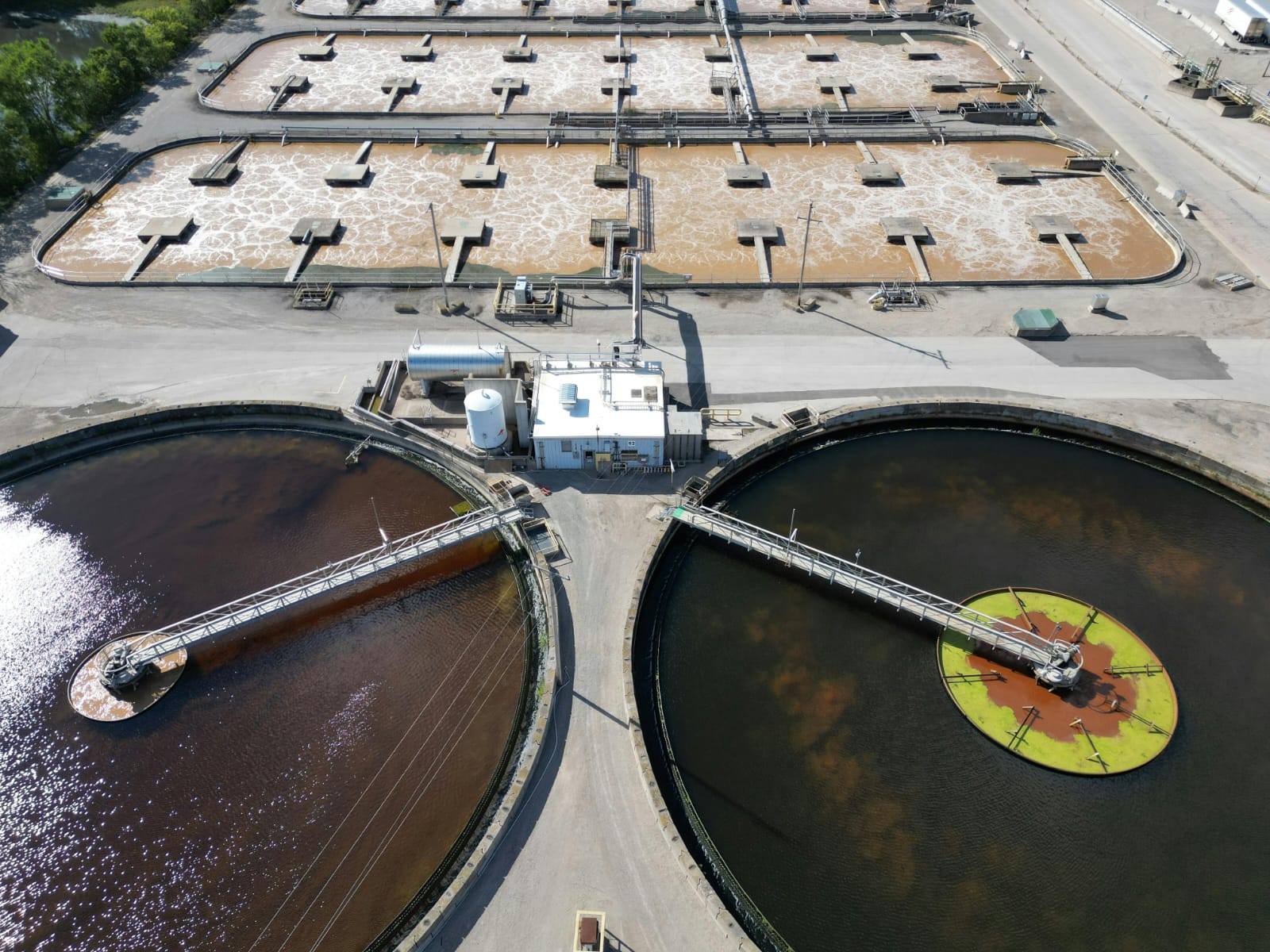
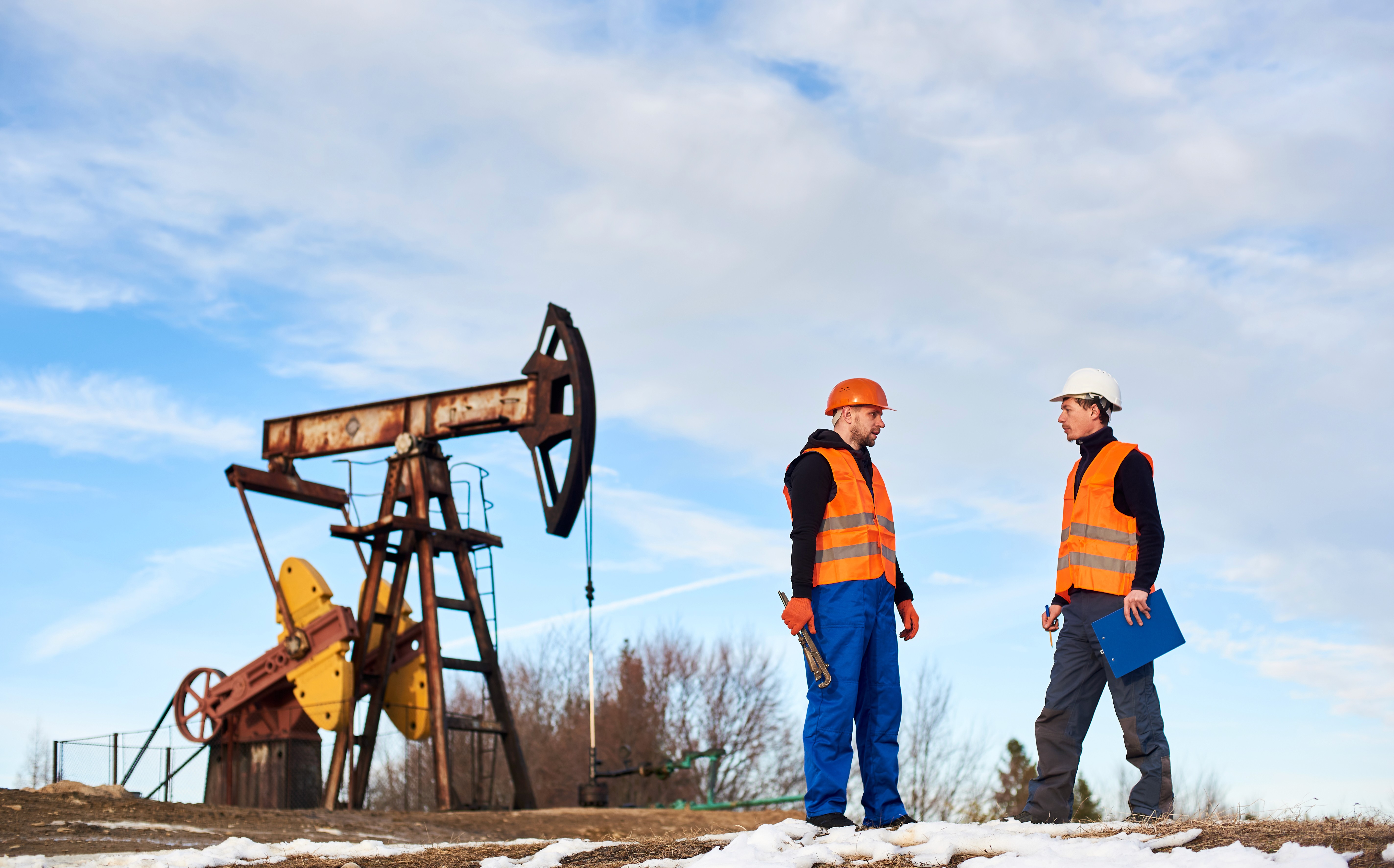
This type focuses on producing metal components that are to be used in heavy-duty scenarios and industrial environments. A couple of examples of this include factories, manufacturing plants, power stations, oil and gas facilities, and processing plants.
These fabricated products are built to withstand the demanding conditions such as high loads, constant operation, high temperatures, and harsh chemicals.
Structural Metal Fabrication
As the name suggests, structural metal fabrication centers on metalworking that supports or forms structures. This is commonly associated with construction and infrastructure projects, in which the metal parts constitute the framework, carrying the weight and maintaining stability.
One example is the fabrication of steel, which includes steel beams, columns, supports, staircases, and walkways. Strict engineering standards are always a requirement here.
Commercial Metal Fabrication
Another type is commercial metal fabrication, which is intended for public-facing environments. This includes railings, metal partitions, signage structures, display units, and shelving systems. Business and public spaces are the ones involved in this type.
Custom Metal Fabrication
Custom metal fabrication involves designing and building metal products tailored to a specific requirement. Basically, this can involve prototypes, specialized assemblies, specific parts, artistic projects, and more.
What Are the Processes of Metal Fabrication?
Processing metal might look simple, but there are actually a number of methods involved. Here are the main ones:
Cutting
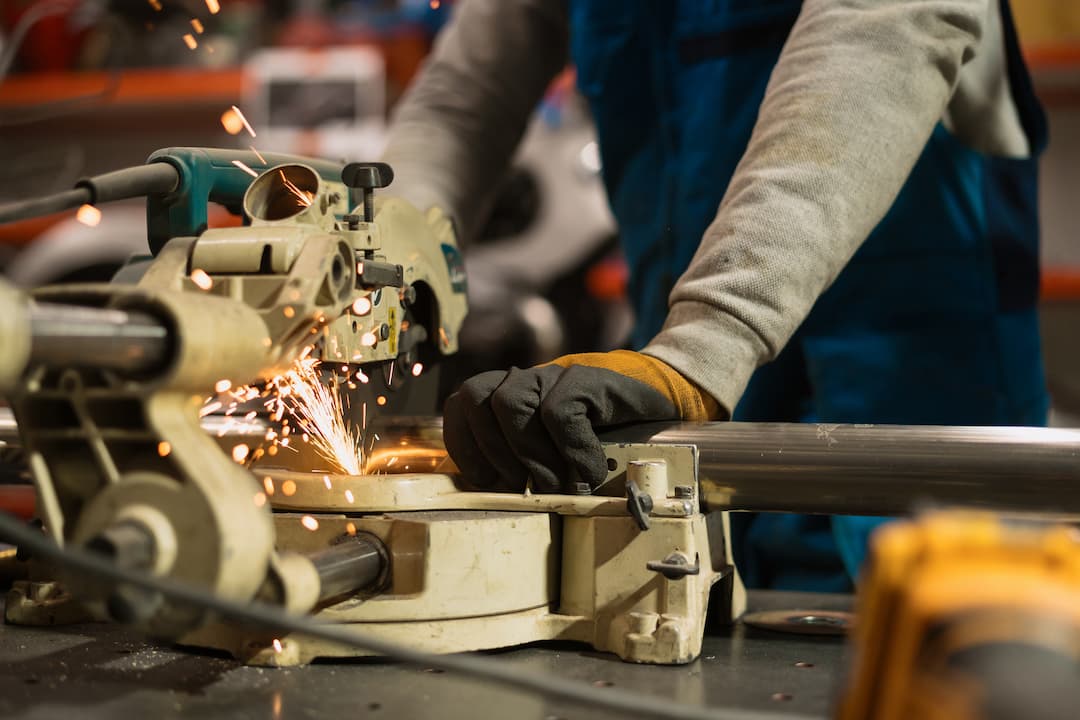
Cutting is usually the first step in metal fabrication, as it involves separating metal into smaller pieces for processing. This uses advanced technologies, such as laser, plasma, and waterjet cutting. Cutting can also be done manually through power tools or traditional ones, such as saws and shears.
Forming
This process involves reshaping a metal without removing any material. Force is applied to bend or mold the metal into the desired shape. This is commonly done using press brakes, rollers, or specialized forming machines.
Forming is a crucial part of sheet metal fabrication, where the flat sheets are formed into boxes, frames, or enclosures.
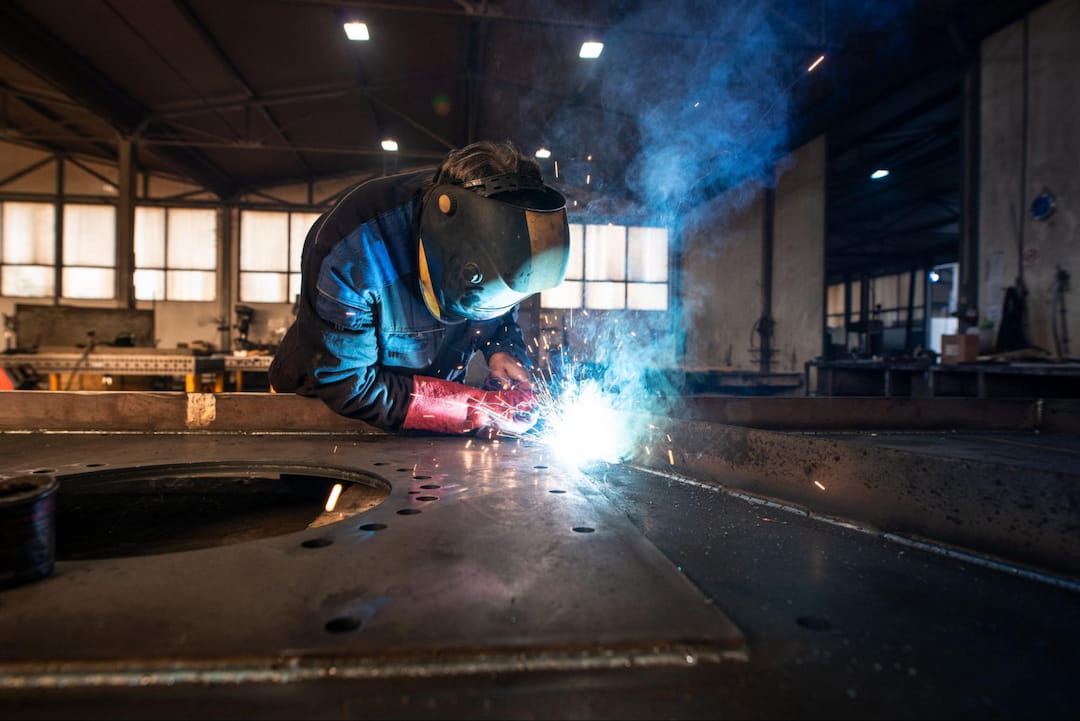
Welding
Welding is the process of joining metal parts together by applying heat and pressure. When the metal cools down, the pieces fuse into a single structure. High-quality welds are essential for products that must carry loads, resist vibration, and perform safely.
Two common types are MIG and TIG welding. Metal inert gas welding is generally better for thicker metals and higher volume production. Tungsten inert gas welding is great for thin metals and more intricate work.
Machining
Machining is another process in metal fabrication. This involves removing small amounts of the material to achieve exact dimensions, smooth surfaces, or detailed features like holes and slots. This process is widely used for components that must meet tight tolerances.
CNC machines are commonly used to ensure consistency and accuracy. Machining also involves more processes, such as drilling, milling, and turning.
Stamping
Stamping is a fabrication process that uses dies and presses to shape sheet metal into specific forms. It works by placing the metal in a stamping press where the force is applied to cut, bend, or emboss it into the desired shape.
This is a method that is used for making parts in high volumes, such as brackets, panels, and connectors.
Punching
Punching involves creating holes or cutouts in metal by forcing a punch through the material into a die. This process is commonly used for sheet metal parts that require multiple holes, slots, or patterns.
This is a fast and effective process that’s used for repetitive designs, especially in mass-produced products. Common ones include ventilation components and electrical panels.
Forging
Forging is another process in metal fabrication in which compressive force is applied to the metal, sometimes while it is heated. This will change the metal's internal grain structure, increasing its strength and durability.
Forged components are those that require high strength and impact resistance, such as tools and mechanical parts.
Assembly
This is basically bringing all the included parts together into a final product or structure. Assembly involves welding, but can also be done through bolting, fastening, and fitting. Proper assembly means that all the parts align correctly and fit as intended.
Finishing
Finishing is the final step in metal fabrication that focuses on improving the product’s appearance, durability, and resistance to corrosion. This may include grinding, polishing, painting, and coating.
In addition to aesthetics, finishing protects metal products from environmental damage and helps extend their service life.
Common Materials Used in Metal Fabrication
Different projects require different types of metals. Here are the common ones used in metal fabrication:
Stainless Steel. Stainless steel is known for its strong resistance to corrosion. It’s a popular option in environments where moisture, chemicals, and harsh elements are involved. This metal is used in food processing, medical facilities, labs, and more.
Carbon Steel. Steel is highly cost-effective, including carbon steel. It can also be welded and machined effectively. Carbon steel works great for structural components, frames, and supports.
Aluminum. Aluminum is valued for being lightweight while still offering good strength for many applications. This metal is common in transportation, enclosures, frames, and products where reducing weight matters.
Copper. Copper is a metal that serves as a great electrical conductor. This makes it a common choice for electrical components and industrial applications.
Titanium. Titanium is used for high-performance needs because of its exceptional strength at a much lighter weight. It is also resistant to corrosion. This metal is generally used in aerospace, medical facilities, and industrial work.
What Are the Applications of Metal Fabrication?
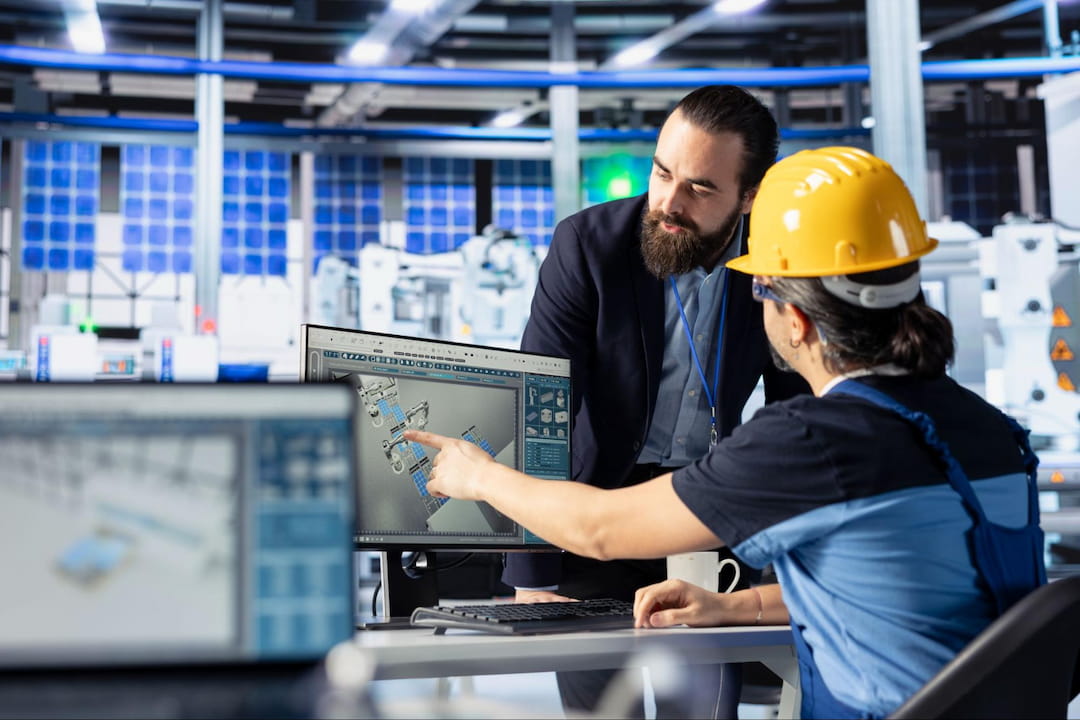
Metal fabrication supports many industries, especially the steel and metal industry, because it can be shaped into strong and reliable components. Here are the common fields that utilize fabricated metal products.
Construction and Infrastructure
Structural steel beams, columns, and supports for buildings
Staircases, ladders, and platforms
Handrails, guardrails, and safety barriers
Bridge and road components
Automotive and Transportation
Vehicle frames, chassis parts, and general components
Brackets, mounts, and housings
Engine parts and general car components
Trailer bodies, container framers, and load-bearing supports
Manufacturing and Industrial
Machine frames and heavy-duty equipment
Conveyor systems, belt supports, and production line components
Industrial shelving, workstations, and storage systems
Equipment housing, covers, and machine guards
Energy and Power
Pipe supports, brackets, clamps, and fittings
Wind turbine blades and towers
Solar panels, electric motors, and batteries
Components for power plant equipment
Aerospace
Precision housings and enclosures
Lightweight structural brackets, supports, and frames
Mounting systems for avionics and onboard electronics
Seat frames and fittings
Medical and Lab
Equipment frames for medical devices
Lab benches, stainless worktops, and fittings
Medical carts, racks, shelving, and storage systems
Surgical tools and equipment
Commercial
Decorative metal signage and frames
Stainless-steel kitchens and food prep tables
Security gates, barriers, and metal partitions
Metal counters, frames, and durable fixtures