Custom Stainless Steel Fabrication: Benefits and Applications Across Industries
Nov 10, 2025
Stainless steel is one of those materials you’ll find almost everywhere, even if you don’t realize it. It’s in kitchen sinks and equipment, handrails and staircases, medical tools, and even in cars and aircraft.
It’s a highly versatile material that helps out with everything from the smallest household objects to the biggest machines. The reason it’s so widely used is simple: it’s strong, reliable, and built to handle everyday wear without succumbing to it.
At its core, stainless steel is a type of steel that contains chromium with a minimum of 10.5%. This compound is exactly what gives it the “stainless” name, as it prevents corrosion by forming a protective layer on the surface.
But this iconic feature is just one of the many reasons why stainless steel fabrication is a major business globally. In this blog, we’re going to talk all about stainless steel, including the benefits, how it’s used, and more.
What Are the Properties of Stainless Steel?
Stainless steel has a combination of properties that make it especially well-suited to fabrication across a wide range of industries.
Corrosion Resistance
As mentioned above, stainless steel has high resistance to rust and corrosion due to its chromium content. This reacts with oxygen to form a thin layer on the surface, essentially protecting it. It’s also self-repairing, meaning that if it’s scratched, the layer can reform when oxygen is present.
High Strength and Durability
Stainless steel has high tensile strength, meaning it resists pulling forces and deformation. Many grades are stronger than mild steel in certain applications. This high strength is also the reason why it can withstand many forms of damage, making it perfect for situations with a lot of movement.
Ductility and Work Hardening
Many stainless steels can be bent, rolled, pressed, and shaped without cracking. This is one of the reasons why they’re so versatile and used for numerous applications. However, the more stainless steel is fabricated, the more it tends to work harden, becoming stronger and harder.
Heat Resistance
Many types of stainless steel also perform well at high temperatures, meaning that they resist breaking down and maintain their strength even when exposed to heat. This makes them even more useful for household and industrial applications.
Chemical Resistance
Another major property of stainless steel is its chemical resistance. It works great against many acids and industrial chemicals, making it a good material for several machines and equipment, especially when housing sensitive parts inside.
Surface Finish Versatility
Stainless steel also shows its versatility through its ability to be finished into a wide variety of options. They can be made into brushed, polished, patterned, textured, and many more types of finishes.
Why Choose Stainless Steel?
Now that we’ve discovered more about what makes stainless steel the incredible material that it is, let’s talk about why it’s a good choice for many applications.
Long Service Life. Stainless steel is known for its durability, especially when properly maintained.
Low Maintenance Requirements. There’s little need for maintenance for this material, as it doesn’t need painting, coating, or regular surface treatments.
Easy to Clean. The smooth, non-porous surface of stainless steel is especially easy to clean.
Slick and Aesthetic Look. Stainless steel provides a clean, modern look that doesn’t easily deteriorate.
Wide Range of Uses. Because of its properties, they are used in several household equipment and industrial applications.
Recyclable. Stainless steel is fully recyclable and often produced using recycled content.
Custom Stainless Steel Fabrication Benefits
Custom stainless steel fabrication takes the material and turns it into a product with a specific purpose.
One of the biggest benefits of custom stainless steel fabrication is accuracy. Components are designed and manufactured to the exact dimensions. This ensures a precise fit without compromising the purpose of the material.
Precision is critical in industrial, architectural, and manufacturing environments where even small inaccuracies can cause inefficiencies or safety concerns.
Custom fabrication allows full control over material selection, which means there’s a choice of the most suitable stainless steel grade based on environment, load requirements, and regulatory standards.
This also comes with design flexibility. Custom stainless steel fabrication allows users to decide on the specifics of the look and feel of the product. This can include complex shapes, architectural features, industrial components, and unique fixtures.
Along with this, high-quality finishes can also be applied. In essence, custom stainless steel fabrication is about transforming raw stainless steel into functional, beautiful products tailored to specific purposes, from simple household concepts to industrial applications.
What Are the Applications of Custom Stainless Steel Fabrication?
As previously said, stainless steel is used in a wide variety of industries, and custom fabrication enables detailed specifications to mold the product’s purpose. Essentially, it’s anything you can think of. Here are a few key examples:
Food and Beverage
Hygiene and durability are critical in food-related environments, which is why custom stainless steel fabrication is important. It’s used in:
Food processing equipment
Preparation tables
Storage tanks and hoppers
Commercial kitchens
Custom utensils and equipment
Pharmaceuticals, Labs, and Medical
Because of its reliable precision and cleanliness, stainless steel is also used a lot in this field.
Medical equipment
Surgical and clinical features
Laboratory equipment
Pharmaceutical processing equipment
Industrial and Manufacturing
Many industrial components, including the steel and metal industry, require durable, heat- and chemical-resistant equipment.
Machinery frames, housings, and parts
Industrial tanks and general equipment
Pipeworks and supports
Platforms, walkways, and access structures
Architectural and Structural
Custom stainless steel fabrication is widely used in architecture and construction.
Structural frames and supports
Decorative metal features
Staircases and handrails
Guardrails and canopies
Marine and Coastal
Stainless steel’s corrosion resistance is especially important in marine and coastal environments.
Boat fittings and hardware
Coastal railings and fixtures
Marine-grade frames and supports
Offshore and docking structures
Automotive and Transport Infrastructure
Key parts of automotive projects also involve stainless steel products for their durability and heat resistance.
Vehicle components and brackets
Exhaust and heat-resistant parts
Transport station fixtures
Protective housings and covers
The Process of Custom Stainless Steel Fabrication
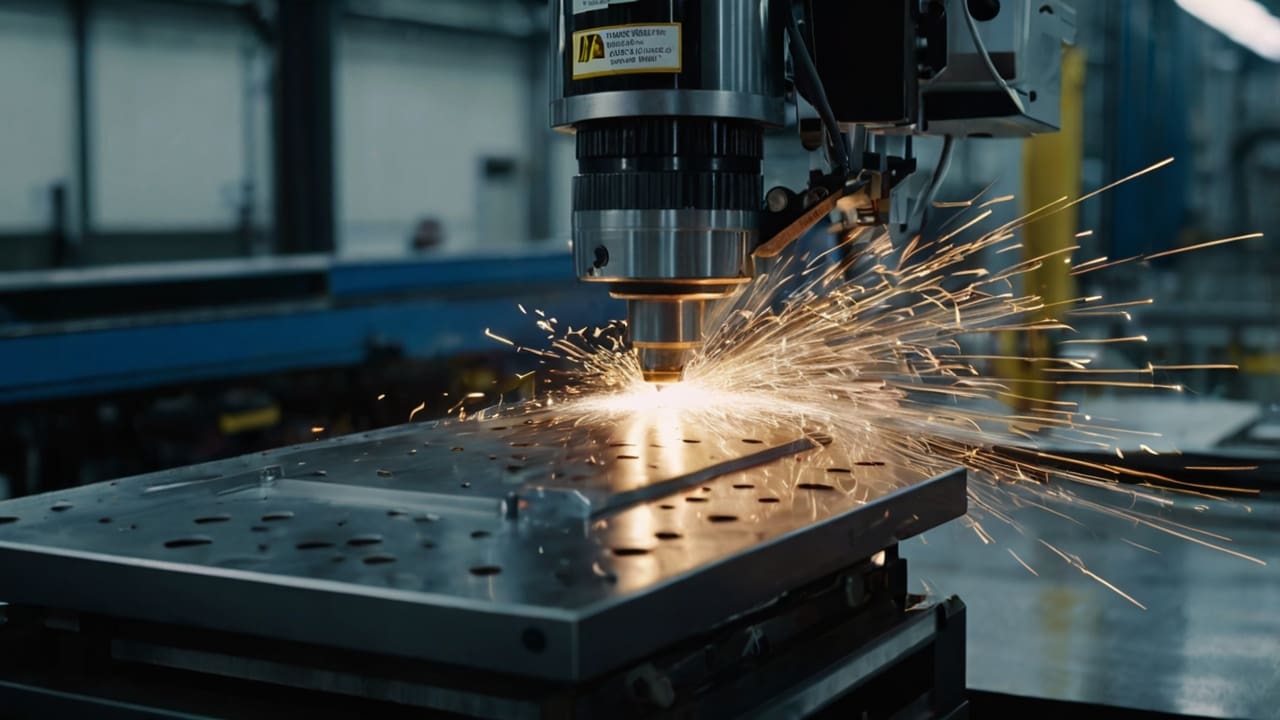
This entire process requires a high level of precision engineering to deliver a finished product that works perfectly. Here’s how it goes:
Design and Engineering
Our steel engineers use CAD software to create detailed blueprints with exact dimensions, shapes, and customizations.
Material Selection
In this stage, the right grade of stainless steel will be determined based on the specific use of the product.
Cutting
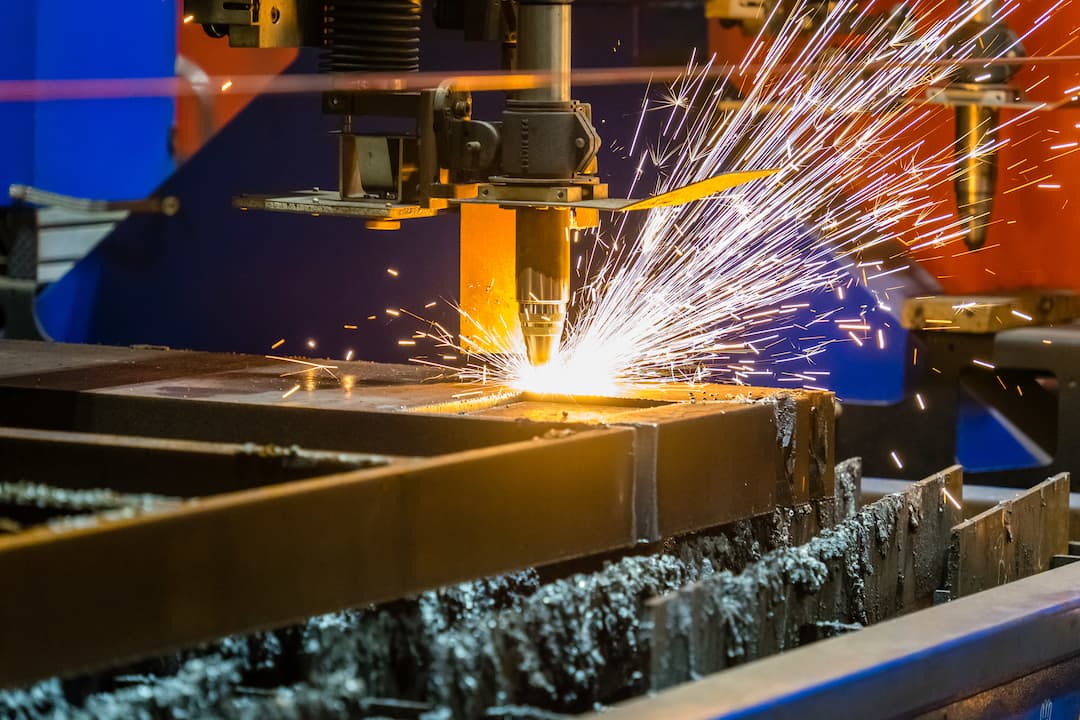
Stainless steel is cut into the required shapes using methods selected based on thickness, precision, and finish requirements. This can include methods such as laser cutting, plasma cutting, and waterjet cutting.
Forming and Shaping
Next, the steel is formed into the required shapes using equipment such as CNC machines. This may include bending, rolling, pressing, shaping sheets, and forming curves.
Welding and Assembly
This is one of the most important steps in custom stainless steel fabrication, as the pieces will be joined together to complete the product. Common methods include TIG welding for thin material and MIG welding for larger ones. Other associated parts will be added as well.
Finishing
After welding, the finishing steps will be done to complete the product. This may involve surface treatments, polishing, and applying protective coatings. These are to ensure the product’s durability and aesthetics.
Quality Control
The final step is inspection, ensuring each product comes out the way it’s supposed to, with no defects or miscalculations.