What Is a Well Point Dewatering System? Meaning, Process, and Tips (2026)
Nov 19, 2025
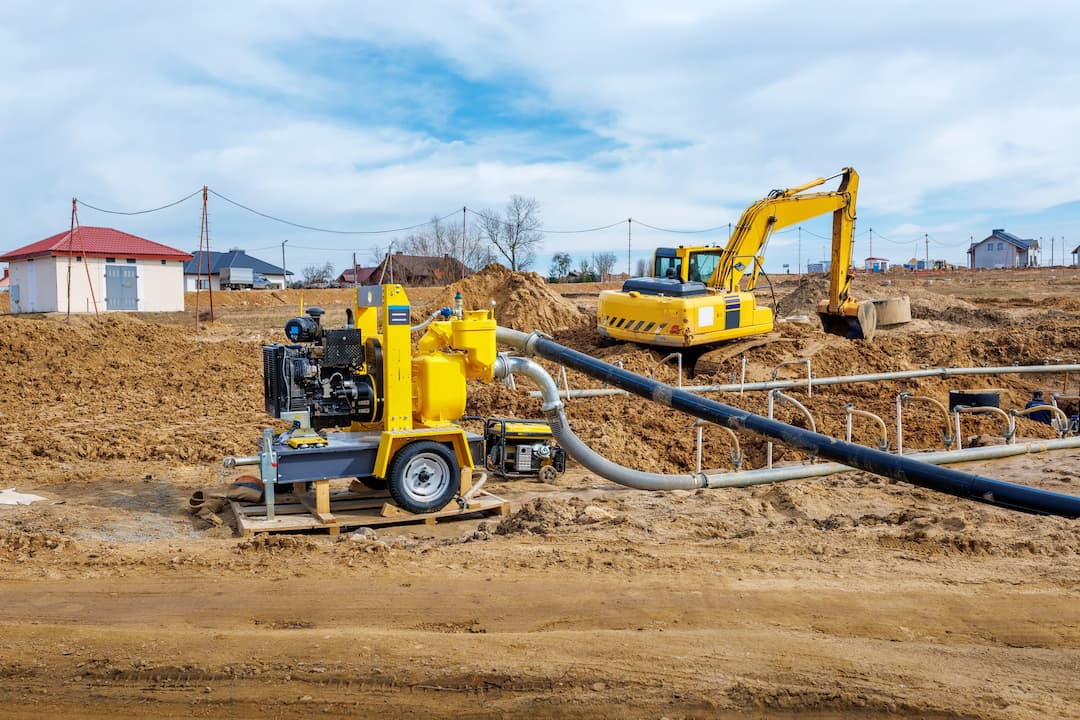
In construction, a well-planned process is always an important first step. Lots of problems can build up overnight, including when the excavation site fills up with water. Groundwater can slow work, increase project costs, and even make the site unsafe.
When soil has water in it, it loses strength. This can be dangerous because it can destabilize the ground, reducing load-bearing capacity and increasing the risk of cave-ins. This is why dewatering services are crucial for several construction projects.
A well point dewatering system is a temporary groundwater control method used to lower the groundwater level around an excavation site. This is so that construction can proceed under dry, stable conditions.
It’s one of the most widely used dewatering techniques for several projects, including excavation and pipelines. The system relies on multiple small wells, known as wellpoints. These are installed closely together and are placed around the perimeter of the excavation or along a trench.
Key Components of a Well Point Dewatering System
A well point dewatering system is comprised of several working parts. Each component has a specific role to ensure the safe removal and disposal of water. Here are the main parts involved.
Wellpoints
Wellpoints are small-diameter pipes that are installed in the ground. They’re outfitted with a screened or slotted section at the bottom. The screened area lets water in while blocking larger soil particles from entering. They’re installed in a series around the excavation to create consistent drawdowns.
Riser Pipes
Each wellpoint connects to the main header pipe through a riser pipe. This is a vertical section that runs above the ground, allowing water and air to travel upward from the wellpoint into the main line. In many setups, the risers also have small control valves to regulate flow.
Header Pipe
The header pipe is the horizontal line that connects all the wellpoints together. It’s just like a central pipeline. As water enters each wellpoint, it moves into the header pipe and flows toward the pump.
Dewatering Pump
The pump is the heart of a well point dewatering system. In this setup, a specialized pump will be used to handle air, water, and even small amounts of sediment. The pump creates a suction that keeps the entire system operating continuously, so the groundwater level stays low.
Discharge Pipes
Once the pump removes groundwater, the water exits through a discharge line and is directed away from the excavation site to an approved drainage point.
Accessories
Depending on the site’s conditions, other accessories such as valves, gauges, filters, settling tanks, and more will be used.
How Does a Well Point Dewatering System Work?

The first step is to install the wellpoints into the ground by pushing or jetting them down to a depth below the groundwater table. These wellpoints are then connected to a single main line known as the header pipe using riser pipes and flexible connectors.
The header pipe runs along the excavation site and collects the groundwater from every well point present in the system.
A well point system usually requires a specialized pump capable of handling both air and water. When the pump starts, water and air are drawn from the header pipe, creating a vacuum. That suction helps draw the groundwater through the screened sections of the wellpoints and up to the system.
When the water reaches the pump, it’s pushed into a discharge line and directed away from the site. The water might go to a drainage area or another suitable location. This well point dewatering system will run continuously during excavation.
Applications of a Well Point Dewatering System
Wellpoint dewatering systems are popular because they’re flexible, quick to install, and effective in many common construction scenarios. Here are some of the common ones:
Foundation and Basement Excavations
One of the most common uses is in building foundations and basement construction. This will help keep the excavation stable, reduce the risk of soil instability, and allow the safe placement of associated materials.
Utility and Pipeline Installations
Well point dewatering systems are also used for utility and pipeline projects. This includes water supply lines, drainage pipes, sewer systems, and electrical conduits.
Road and Infrastructure Projects
Some projects often span large areas and are built in soils like sand or silty sand, which may require a well point dewatering system. These may include drainage channels, road widening, retaining walls, and culverts.
Mining
In mining operations, wellpoint systems are commonly used for localized dewatering. They’re especially useful for a mining project that requires short-term groundwater lowering around a specific area rather than long-term regional dewatering.
What Are the Advantages of Well Point Dewatering Systems?
Cost-Effective
For many shallow excavation projects, wellpoint systems can be more economical than deeper pumping methods. They generally require relatively lightweight equipment, fewer installations, and less heavy drilling.
Quick and Easy
Wellpoint systems are known for being quick to install, especially in sandy or silty soils where jetting can be used to place the wellpoints efficiently. Once they are installed and connected, the pump can begin the process of lowering the groundwater level.
Flexible and Versatile
One of the biggest strengths of a wellpoint system is how adaptable it is. It can be used for many purposes and projects, making it a good option. Plus, the system can easily be modified, like extending the header line or adding more wellpoints.
Safe and Stable
By lowering groundwater levels, wellpoint systems help reduce pore water pressure and decrease the chance of soil collapsing into the excavation. This will help provide stability and ensure the safety of the project and the team involved.