The Ultimate Guide to Oilfield Equipment: Types, Uses, and Maintenance
Mar 6, 2026
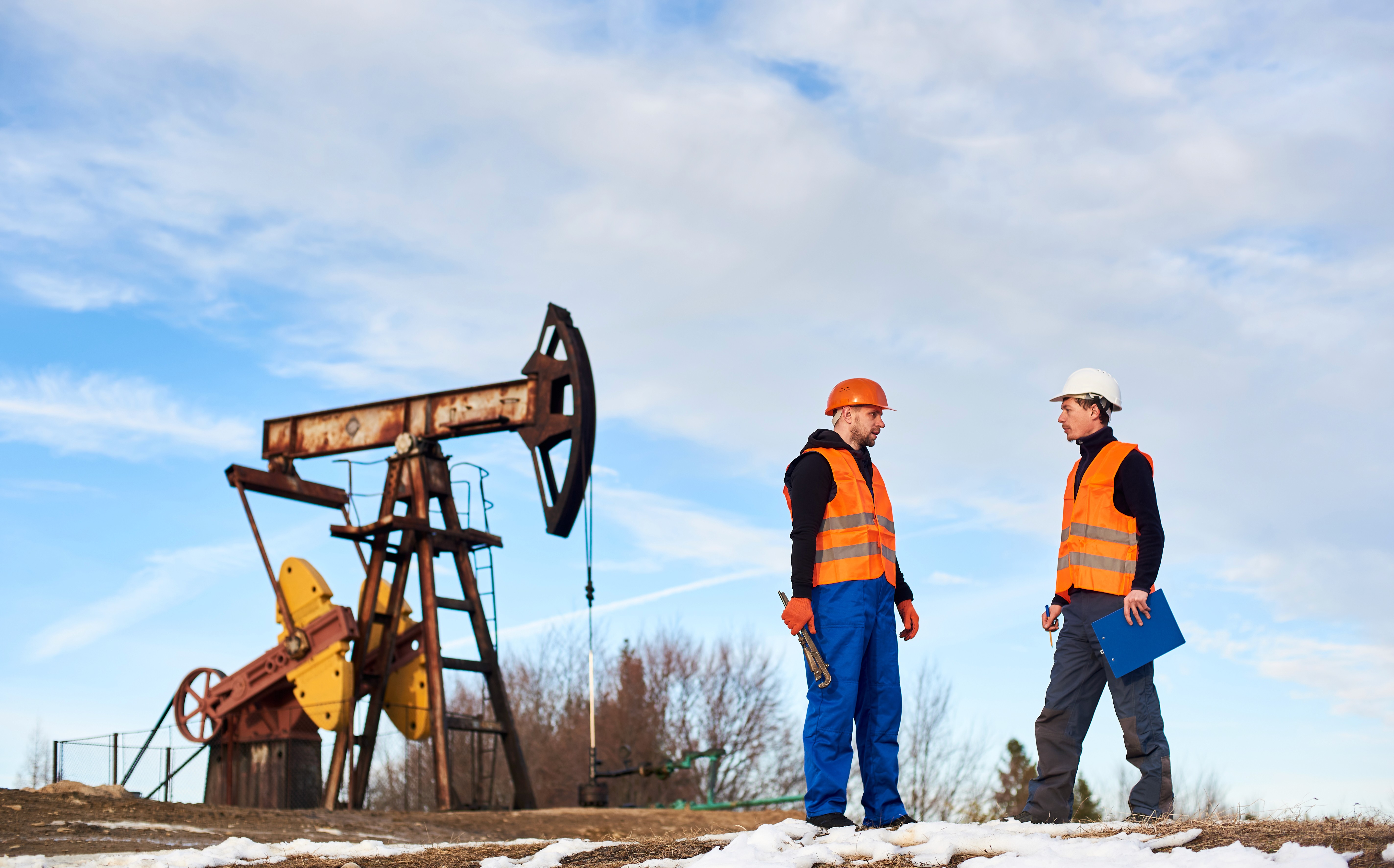
Successful oil and gas operations rely on the right tools to ensure safety, efficiency, and profitability. For operators in the energy sector, understanding the variety, purpose, and maintenance of oilfield equipment is critical. Using the wrong tools can cause downtime, safety issues, and lower production.
In this article, we explore the most common types of oilfield equipment, their applications, and best practices for maintenance. By the end of this guide, you’ll have the knowledge to select, maintain, and optimise your equipment for maximum efficiency and safety.
Why Is It Important?
Oilfield equipment plays a critical role in the efficiency, safety, and overall success of oil and gas operations. The right equipment ensures that drilling, production, and maintenance processes are carried out smoothly and safely. Conversely, poorly selected or poorly maintained equipment can lead to delays, accidents, and significant financial losses.
The importance of oilfield equipment can be categorised into three main areas: Operational Efficiency, Safety and Compliance, and Cost Management.
Operational Efficiency
Efficient oilfield equipment ensures wells are drilled and maintained according to plan. For example, modular rigs can be adapted for different well depths and sites, reducing setup time. Similarly, high-capacity pumps maintain uninterrupted fluid flow, preventing production bottlenecks.
Safety and Compliance
Safety is non-negotiable in oilfield operations. Equipment such as BOPs, control valves, and monitoring systems protects workers and the surrounding environment. Regular inspection and testing are necessary to ensure these devices function correctly and comply with industry standards.
Cost Management
Investing in high-quality, properly maintained equipment reduces the risk of unplanned downtime and equipment failure. For instance, predictive maintenance technologies allow operators to address issues like worn drill bits or degraded seals before they escalate into costly problems.
Understanding these benefits is essential for anyone involved in oilfield operations. It allows operators to prioritise equipment selection, plan maintenance schedules, and implement best practices that safeguard both personnel and production.
Major Categories of Oilfield Equipment
Oil and gas operations rely on a range of specialised tools to support drilling, production, and safety. These tools can be grouped into major categories, each with specific functions and components.
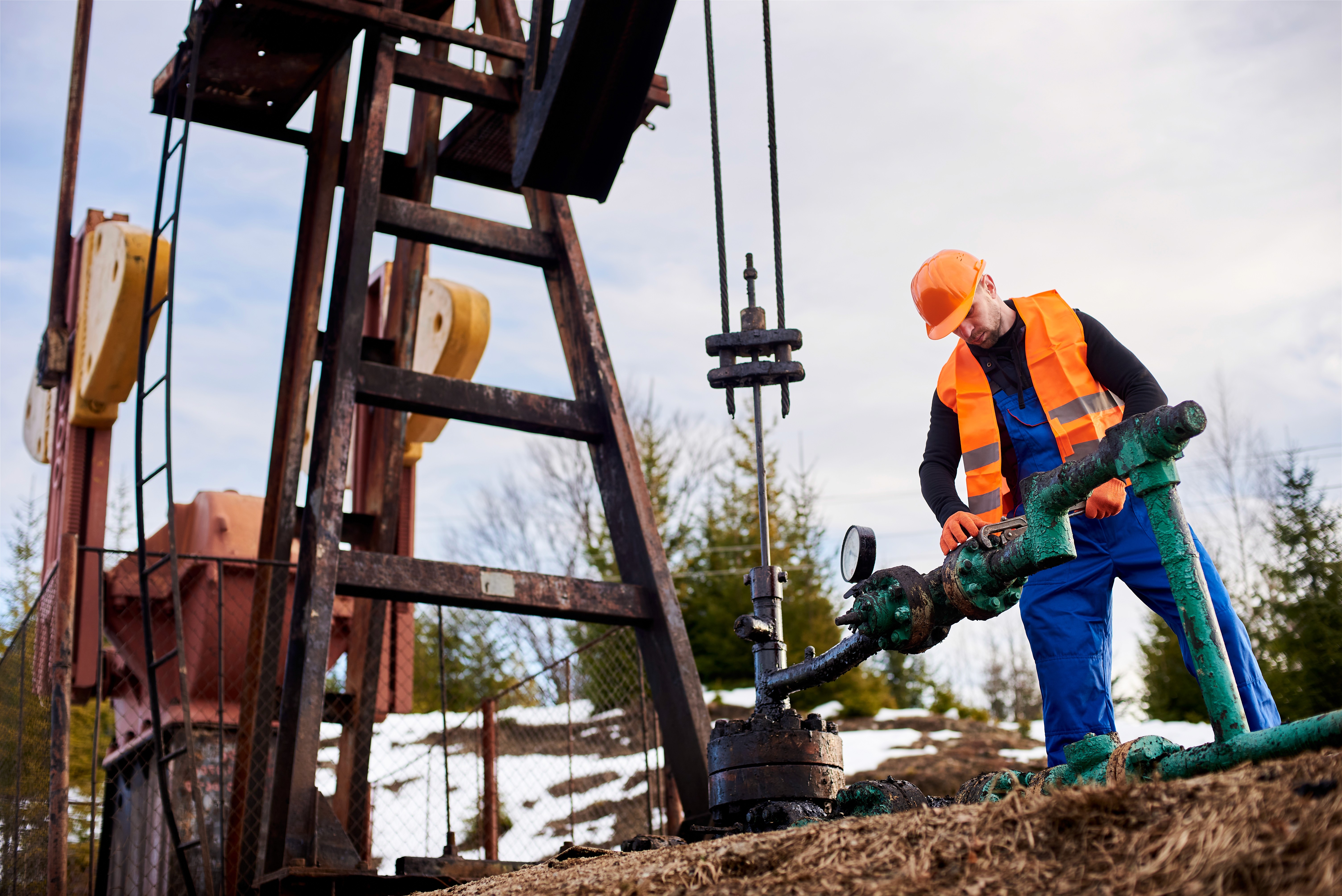
Drilling Equipment
Drilling equipment enables the creation of boreholes to access oil and gas reserves.
Components Include
Drilling Rigs: Land rigs, offshore rigs, and modular rigs adapted for different well depths and operational environments.
Drill Bits: Tricone, PDC, and diamond bits designed for various geological formations. The right choice affects drilling speed, efficiency, and equipment longevity.
Mud Pumps & Circulation Systems: Maintain hydrostatic pressure and remove cuttings from the borehole.
Derricks and Top Drives: Provide mechanical leverage for drilling operations and manage the drill string.
Key Operational Notes
HPHT (high-pressure, high-temperature) drilling requires specialised drill bits, casing, and pumps designed for extreme conditions.
Modular rigs are preferred for sites with limited access or offshore operations, allowing faster setup and easier transport.
Well Completion Equipment
Drilled wells require specialised hardware to become production-ready. Installing casing, tubing, and wellheads secures the structure while managing fluid flow. Precision during installation prevents leaks and maximises long-term extraction efficiency.
Common Components
Casing and Tubing: Provide structural support and protect against contamination.
Wellheads: Regulate pressure and serve as the primary control point for extraction.
Key Operational Notes
Proper selection and installation prevent leaks, maintain flow efficiency, and extend well life.
Downhole monitoring tools improve data collection for performance and safety optimisation.
Production Equipment
Once a well is completed, production equipment moves hydrocarbons from the wellbore to processing facilities. Pumps, separators, and storage tanks play a critical role in maintaining flow and quality.
Core Equipment
Pumps: Centrifugal and positive displacement pumps ensure continuous fluid movement.
Separators: Remove gas, oil, and water mixtures for safe processing.
Storage Tanks: Safely store extracted oil before transportation.
Key Operational Notes
Selecting production equipment depends on fluid characteristics, volume, and operational scale.
Routine monitoring and maintenance prevent bottlenecks, maintain quality, and reduce downtime.
Safety and Control Systems
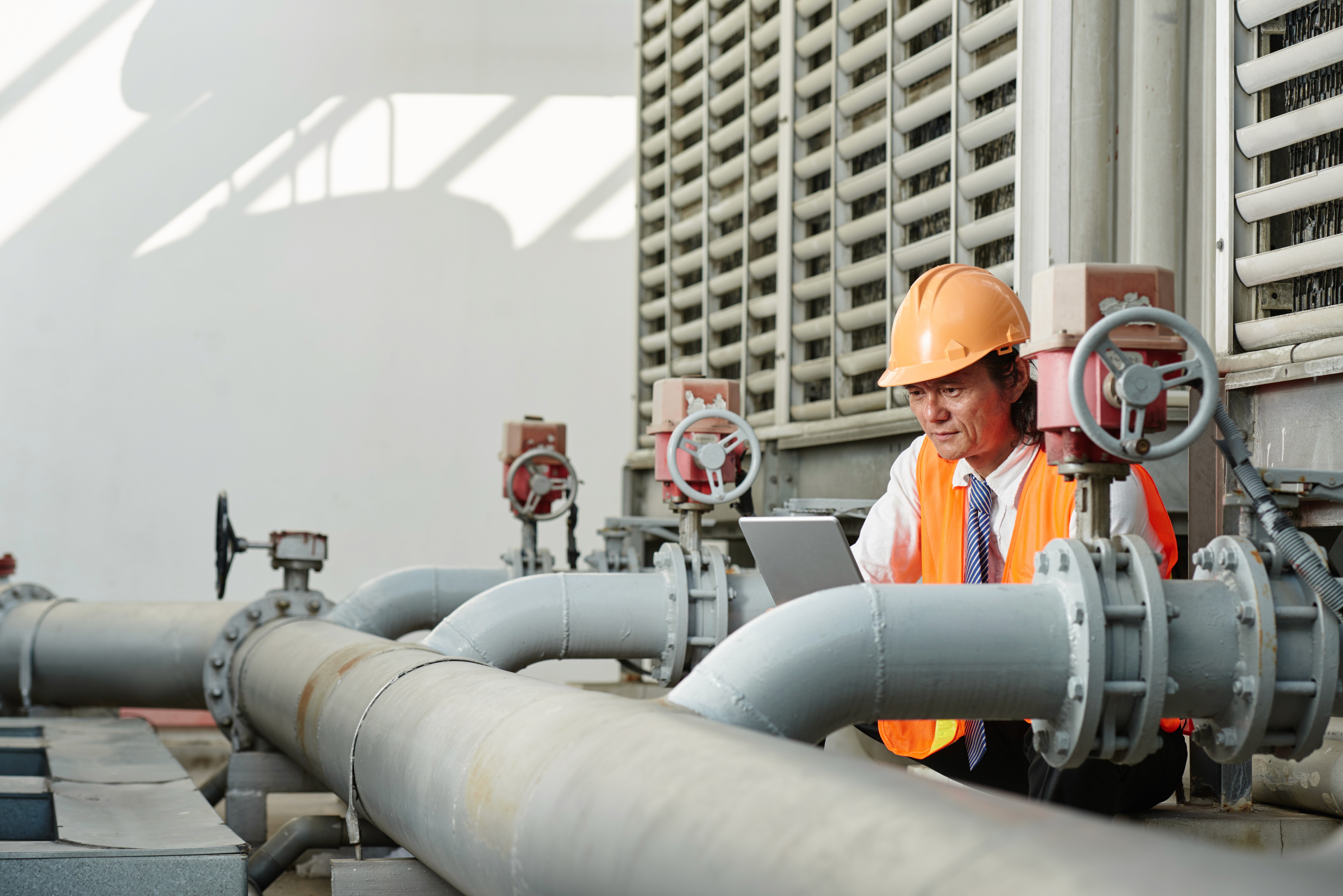
Safety is non-negotiable in oilfield operations. Using blowout preventers (BOPs), control valves, and pressure management equipment helps protect personnel and prevent accidents. Regular testing and monitoring are essential to maintain operational integrity.
Important Tools
Blowout Preventers: Automatically seal wells during uncontrolled flow events.
Control Valves: Regulate pressure and flow to maintain system stability.
Monitoring Systems: Detect leaks, pressure anomalies, and equipment malfunctions.
Key Operational Notes
Safety equipment requires regular testing and maintenance to remain reliable.
Advanced monitoring tools, like IoT sensors, provide predictive insights that help reduce the risk of equipment failures.
Typical Application Scenarios
Selecting oilfield equipment depends heavily on the operational environment, well type, and production goals. Understanding typical application scenarios helps operators identify the appropriate tools and maintain safe, efficient operations.
Onshore Drilling
Onshore drilling benefits from easier access to sites, transport, and maintenance facilities. Common equipment includes land rigs, mud pumps, derricks, and standard drill bits.
Things to Consider for Onshore Operations:
Accessibility: Routine inspections and maintenance are easier due to proximity to support infrastructure.
Efficiency: Modular rigs allow flexibility in drilling depth while reducing setup time.
Production Support: Pumps and separators are designed for continuous operation with standard fluid handling needs.
Offshore and Deep-Water Operations
Offshore and deep-water wells present unique challenges, including extreme pressure, temperature, and restricted maintenance access. That said, equipment for these environments must be highly durable and modular to allow for transport and rapid deployment.
Typical Equipment Includes
HPHT drill bits for high-pressure, high-temperature conditions.
Mud pumps and BOPs built for harsh marine environments.
Automated monitoring systems to detect leaks, pressure spikes, or vibrations.
Tips for Offshore Efficiency
Predictive maintenance using IoT sensors helps prevent failures before they escalate.
Modular, transportable rigs reduce setup time and adapt to changing site conditions
Production Sites and Maintenance Operations
Once a well is drilled and completed, production equipment takes over to ensure the safe and efficient movement of hydrocarbons. Because production sites often operate continuously, reliable equipment and proper system coordination are essential for maintaining stable output and preventing operational disruptions.
Key Equipment
Pumps: Maintain consistent movement of oil, gas, and water through the production system.
Separators: Separate oil, gas, and water mixtures before further processing or transport.
Storage Tanks: Safely store extracted hydrocarbons before they are transported or refined.
Specialised Equipment Applications
Certain scenarios require specialised solutions, including:
Deep Reservoir Drilling: Requires reinforced drill strings, HPHT-rated pumps, and temperature-resistant sensors.
Remote Field Operations: Equipment must be modular, lightweight, and easy to transport due to challenging logistics.
Eco-Friendly Operations: Equipment designed to minimise environmental impact, such as low-emission pumps or systems that reduce fluid waste.
By understanding how equipment performs in these scenarios, operators can make informed decisions that optimise performance, reduce risks, and extend equipment life.
Maintenance Tips for Oilfield Equipment
Proper maintenance extends the life of equipment and prevents costly downtime. We follow a combination of routine inspections, preventive measures, and predictive technologies to safeguard operations.
Routine Inspections
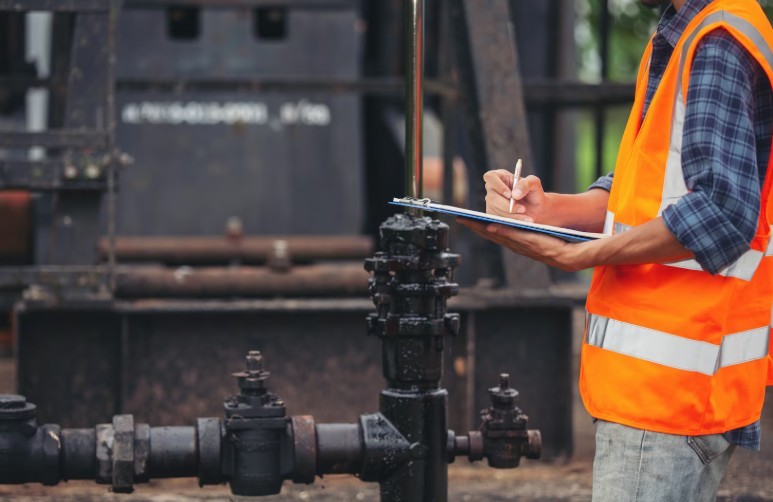
Regular inspections allow early detection of wear, corrosion, and mechanical faults. Recording findings ensures maintenance schedules are followed and reduces unexpected failures.
Preventive Maintenance
Replacing worn components, lubricating moving parts, and cleaning sensitive systems are core preventive measures. This proactive approach reduces emergency repairs and enhances safety compliance.
Predictive Maintenance
Using sensors and IoT (Internet of Things) technology, we can monitor vibration, temperature, and pressure in real time. Predictive analytics helps forecast potential issues before they escalate, optimising both uptime and cost-efficiency.
How to Choose High-Quality Oilfield Equipment
Selecting the right oilfield equipment is critical for safety, efficiency, and long-term operational performance. Choosing poorly can lead to equipment failure, costly downtime, or safety hazards. Here are the main factors to consider when evaluating equipment quality:
Durability
Selecting tools that can withstand extreme pressures, abrasive materials, and high temperatures is the foundation of long-term operational success. High-strength steel, corrosion-resistant alloys, and reinforced materials ensure components last longer and require fewer replacements. To ensure equipment remains resilient under stress:
Confirm the use of high-strength steel or corrosion-resistant alloys rated for specific site temperatures and pressures.
Check documentation proving the equipment has been validated under realistic deep-water or HPHT (High-Pressure, High-Temperature) conditions.
Ensure reinforced materials are used in high-friction components to minimise replacement frequency..
Efficiency
Equipment performance directly dictates productivity and total operational costs by ensuring continuous throughput. High-performance drill bits, pumps, and separators maintain steady operations while minimising mechanical wear and energy consumption. To optimise your operations:
Match drill bits and pumps to the local geological formations and fluid characteristics.
Verify that separators and machinery are calibrated for your specific flow rate to maintain continuous throughput.
Opt for energy-efficient systems that lower fuel or power usage to support cost-effective operations.
Safety
Prioritising safety involves a combination of robust mechanical hardware and intelligent monitoring to protect personnel and the environment. Blowout preventers (BOPs) and emergency shutdown (ESD) systems provide the critical control needed to manage unexpected pressure events. To maintain a safe environment:
Regularly inspect blowout preventers and ESD systems to ensure they can halt operations instantly.
Confirm that modern sensors are active and capable of detecting leaks, abnormal vibrations, or pressure spikes in real-time.
Test all control valves to ensure they are functioning correctly to manage unexpected well pressure events.
Maintainability
Tools designed for easy upkeep have a longer operational life and prevent the high costs associated with emergency repairs. Straightforward access to critical components allows for inspections and part replacements without major delays. To ensure ease of maintenance:
Verify that critical parts can be reached for inspections and replacements without requiring major teardowns.
Confirm that all new equipment integrates seamlessly with existing facility infrastructure and technical standards.
Maintain a local inventory of compatible spare parts to prevent interruptions during routine servicing.
Environmental and Regulatory Compliance
Adhering to industry standards is essential for mitigating legal risks and protecting the surrounding ecosystem. Low-emission designs and effective spill containment help maintain compliance while supporting sustainable operations. To ensure full compliance:
Confirm that all equipment designs meet local and international industry standards for safety and environmental protection.
Check for effective spill containment features and low-emission designs to minimise the operational footprint.
Ensure that equipment choices prioritize sustainable operations and adhere to all environmental safety mandates.
How We Support Your Oilfield Operations
We understand that reliable oilfield equipment is the cornerstone of safe and efficient operations. At our company, we provide not only high-quality equipment, but also the guidance and ongoing support needed to maximise uptime and productivity. By combining our expertise with tailored maintenance strategies, we help our partners overcome operational challenges, reduce costs, and maintain compliance with industry standards.
Whether it’s selecting the right drilling rig, implementing predictive maintenance, or optimising production systems, we work alongside you to find solutions that match your unique needs. Our goal is to make complex operations more manageable, so you can focus on achieving your production objectives with confidence.