Guide to Wastewater Treatment: Importance, Types, and Considerations
Mar 16, 2026
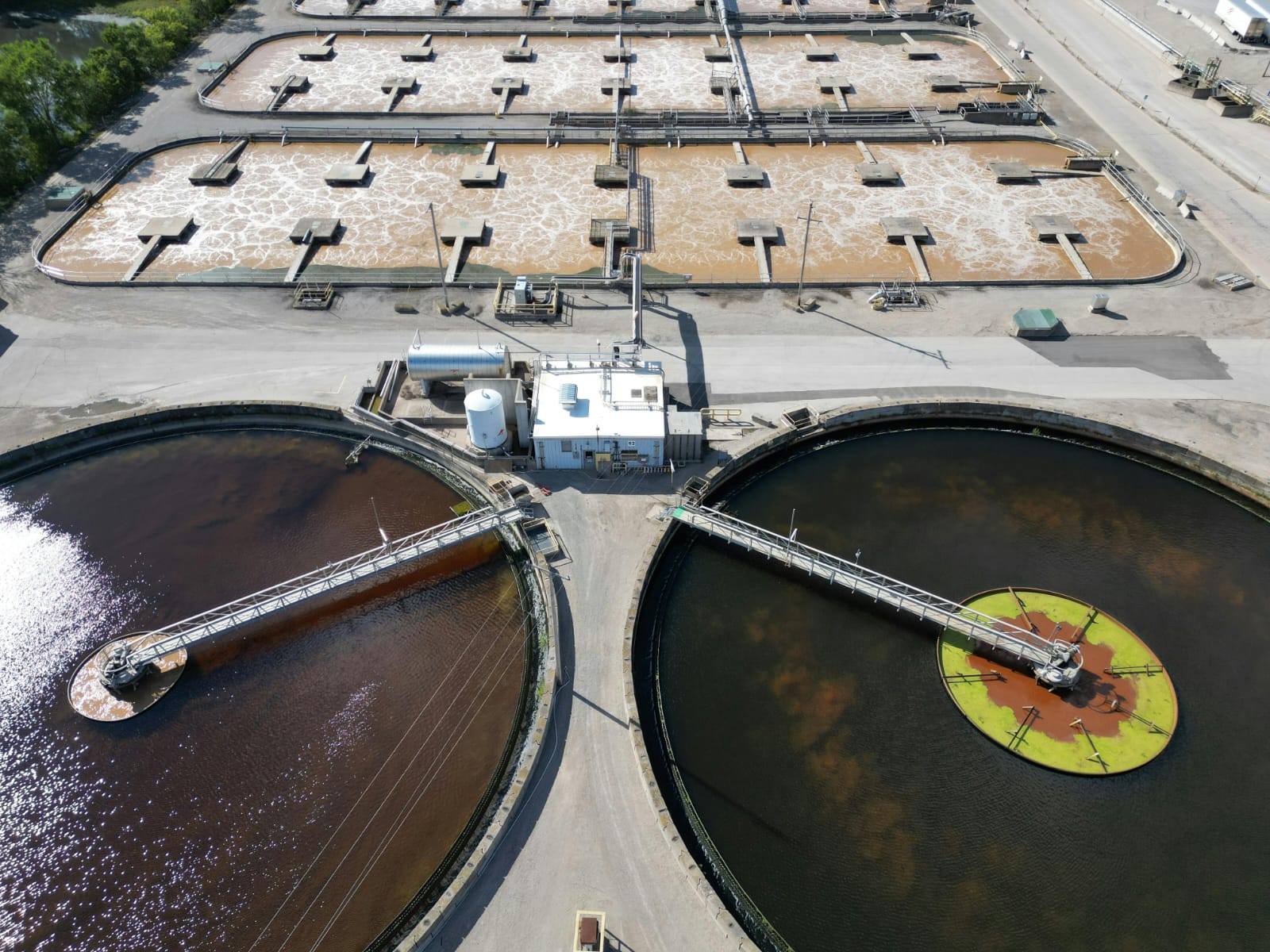
Wastewater treatment plays a critical role in protecting public health, supporting sustainable development, and preserving natural water resources. As urbanisation and industrial activity continue to grow, effective wastewater management has become an essential part of modern infrastructure.
In regions such as the UAE, where water resources are limited, wastewater treatment supports both environmental protection and long-term water reuse. By treating and managing wastewater properly, industries and municipalities can help reduce pollution, comply with environmental regulations, and optimise water consumption.
This guide explores the importance of wastewater treatment, common treatment methods, and key considerations when designing or operating a wastewater treatment system.
What Is Wastewater Treatment?
Wastewater treatment refers to the process of removing contaminants from used water before it is released back into the environment or reused for other applications. This process ensures that harmful substances such as chemicals, organic waste, and pathogens are removed or reduced to safe levels.
Wastewater typically comes from several sources:
residential sewage from households and communities
industrial wastewater generated during manufacturing processes
commercial wastewater from businesses and facilities
stormwater runoff carrying pollutants from urban areas
Treatment systems are designed to separate solids, remove pollutants, and neutralise harmful substances before the water is discharged or recycled.
Why Wastewater Treatment Is Important
Effective wastewater treatment is essential for both environmental protection and sustainable water management. Without proper treatment systems, contaminated water can pollute rivers, groundwater, and coastal ecosystems.
Environmental Protection
Treating wastewater prevents harmful chemicals, heavy metals, and pollutants from entering natural water bodies. This protects aquatic ecosystems and reduces long-term environmental damage.
Public Health and Safety
Untreated wastewater can contain pathogens and bacteria that pose significant health risks. Treatment processes remove these contaminants, helping prevent waterborne diseases and safeguarding communities.
Water Resource Management
In water-scarce regions such as the UAE, treated wastewater can be reused for irrigation, landscaping, and industrial processes. This helps conserve freshwater resources while supporting sustainable development.
Regulatory Compliance
Industries are required to meet environmental discharge standards before releasing wastewater. Proper treatment ensures compliance with regulations and reduces the risk of environmental penalties.
4 Types of Wastewater Treatment
Wastewater treatment typically involves multiple stages that progressively remove contaminants from water. These stages work together to ensure the treated water meets environmental and operational standards.
1. Primary Treatment
Removing large solids and suspended particles serves as the critical first barrier against downstream system clogs. Wastewater flows through sedimentation tanks where heavier materials settle to the bottom as sludge, significantly reducing the mechanical load on secondary processes.
The Primary Treatment stage helps reduce the overall load on later treatment processes by separating large contaminants early in the system.
It typically removes:
suspended solids
grease and oils
large debris and organic matter
2. Secondary Treatment
Removing dissolved and biological contaminants relies on the controlled use of microorganisms to break down organic matter. Bacteria convert complex pollutants into simpler substances, preparing the water for final filtration or discharge.
Common secondary treatment methods include:
activated sludge systems
trickling filters
biological reactors
This stage significantly improves water quality by reducing organic pollution levels.
3. Tertiary Treatment
Advanced refining of water quality targets the removal of remaining nutrients, pathogens, and fine particles to meet the highest safety standard. Utilising a combination of filtration systems, membrane technologies, and ultraviolet (UV) treatment, this stage prepares water for reuse or discharge into sensitive environments.
Tertiary treatment methods may include:
filtration systems
membrane technologies
chemical disinfection
ultraviolet (UV) treatment
This level of treatment is often required when water will be reused or discharged into sensitive environments.
4. Industrial Wastewater Treatment
Removing specific contaminants generated during manufacturing requires specialized processes tailored to chemicals, heavy metals, and oils. Unlike municipal systems, industrial effluent often contains concentrated pollutants that demand customized physical and chemical separation techniques.
Common industries that require dedicated wastewater treatment include:
manufacturing and processing plants
oil and gas facilities
food production and processing
chemical industries
power generation facilities
Industrial wastewater systems often combine physical, chemical, and biological treatment methods to ensure contaminants are safely removed before discharge or reuse.
Key Considerations When Designing a Wastewater Treatment System
When planning or upgrading a wastewater treatment facility, several factors must be evaluated to ensure efficient operation and regulatory compliance.
Wastewater Characteristics
The composition of wastewater, such as chemical content, solids concentration, and biological load, determines the treatment technologies required.
Treatment Capacity
The system must be designed to handle the expected wastewater volume without compromising treatment efficiency. Industrial facilities often require scalable solutions that accommodate fluctuations in production.
Environmental Regulations
Wastewater treatment plants must comply with environmental standards governing water discharge and reuse. These regulations vary by region and industry.
Sludge Management
Treatment processes generate sludge that must be properly handled, treated, and disposed of. Efficient sludge management reduces operational costs and environmental impact.
The Role of Dewatering in Wastewater Treatment
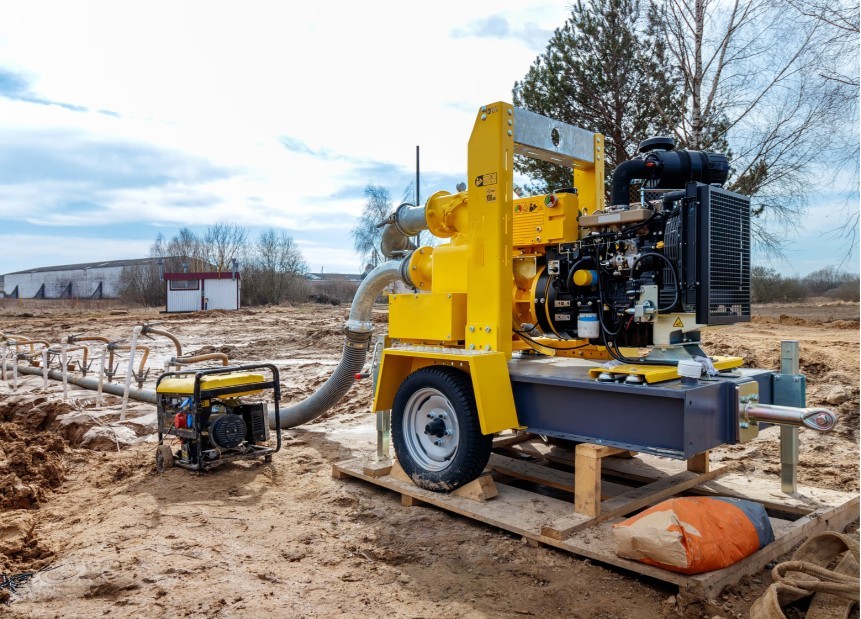
Dewatering is a critical step during sludge management. After solids are separated during treatment processes, the resulting sludge still contains a large amount of water. Dewatering systems reduce this water content, making the material easier to transport, store, or dispose of safely.
Key Benefits Include
Reducing sludge volume
Lowering transportation and disposal costs
Improving overall plant efficiency
Supporting environmentally responsible waste management
Investing in specialised dewatering solutions improves treatment plant performance while simplifying waste management processes.
Why Dewatering Technology Is Important in the UAE
As industrial activity and urban infrastructure expand across the UAE, treatment facilities are handling increasing volumes of sludge. Efficient solid-liquid separation systems have therefore become essential for maintaining operational efficiency and meeting environmental regulations.
Industries such as oil and gas, manufacturing, utilities, and municipal services rely on modern dewatering technologies to manage sludge generated during treatment processes. These systems help facilities maintain consistent performance while reducing operational costs associated with waste handling.
Modern dewatering systems commonly focus on:
Decreasing sludge moisture content before disposal or further processing
Improving operational efficiency within treatment facilities
Supporting sustainable waste management practices
Advanced mechanical separation technologies allow facilities to process large volumes of sludge efficiently while maintaining stable operations.
Advancing Sustainable Water Management
Wastewater treatment plays a vital role in protecting ecosystems, safeguarding public health, and supporting sustainable development. As industries and urban populations grow, effective wastewater management systems become increasingly important for maintaining environmental balance.
From primary sedimentation and biological treatment to advanced filtration and sludge dewatering, each stage plays a role in improving water quality and maximising resource efficiency. These processes not only reduce environmental impact but also help organisations achieve operational excellence and long-term sustainability
As a leading engineering company in Dubai, we work with businesses to optimise wastewater treatment operations, guiding the design, integration, and management of systems that meet regulatory requirements and operational goals. Through our expertise, we help ensure that treatment infrastructure operates efficiently, supports sustainable practices, and provides lasting value across industrial and municipal applications.